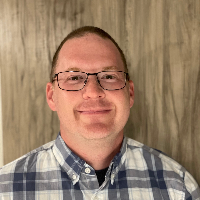
About Robert
Robert Stewart is a Licensed Mental Health Counselor (LMHC) practicing in Florida with ten years of experience. He speaks English and focuses on helping people manage stress, anxiety, mood shifts, substance concerns, and challenges tied to parenting and relationships. His style is warm and straightforward.
He aims to join people where they are, listen without judgment, and help them see problems from new angles. Sessions concentrate on practical steps that can be tested between meetings so progress is visible over time.
Background and approach
Robert uses a mix of approaches tailored to each person. He draws on cognitive behavioral therapy to spot unhelpful thinking and ACT - Acceptance and Commitment Therapy - to clarify values and motivate action. Motivational interviewing and solution-focused techniques help when someone needs to build momentum for change.
He has experience with a wide range of concerns including grief, trauma and abuse, addiction, ADHD, bipolar mood issues, anger, self-esteem, and compulsive behaviors. He also addresses communication problems, fatherhood issues, midlife transitions, and financial stress when these affect daily functioning. Robert describes therapy as a collaborative process.
He works with clients to set clear goals and adjusts the plan as progress or life changes occur. People can expect direct feedback, concrete tools, and a focus on what will help in real life.
How his therapeutic approaches work online
Acceptance and Commitment Therapy (ACT) focuses on helping people clarify what matters to them and take small, committed steps toward those values even when thoughts or feelings are difficult. It can help with anxiety, depression, and motivation issues. Cognitive Behavioral Therapy (CBT) helps identify patterns of thinking and behavior that keep problems going and then tests new ways of thinking and acting to reduce symptoms and improve functioning. Both approaches emphasize practical exercises that translate well to remote sessions.Choosing the right approach is collaborative. The therapist will talk with the client about goals, try methods that fit those goals, and adjust the approach as progress or life changes occur. That process is flexible and paced to the client’s needs and preferences.
Online sessions are offered by video call, phone, live chat, or text-based messaging to provide scheduling flexibility. Video calls allow face-to-face conversation for skills practice and feedback. Phone sessions can be easier when bandwidth is limited or when someone prefers not to appear on camera. Live chat and text-based messaging can be used for shorter check-ins, quick problem-solving, or ongoing support between longer conversations. These options make it easier to fit therapy into busy routines and varied daily lives.
Frequently asked questions
What kinds of issues does he help with?
What is his general therapy style?
How long has he been practicing?
What credential does he hold and where is he based?
Which languages are supported for sessions?
What session formats are available?
How does billing and cost work?
How do I begin working with him?
Specialties and expertise
Top specialties
- Stress, Anxiety
- Addictions
- Parenting issues
Also works with
- ADHD
- Anger management
- Bipolar disorder
- Career difficulties
- Communication problems
- Compassion fatigue
- Control issues
- Coping with life changes
- Depression
- Drug and alcohol addiction
- Eating and food-related issues
- Family conflicts
- Fatherhood issues
- Forgiveness
- Grief
- Guilt and shame
- Impulsivity
- Intimacy-related issues
- Isolation / loneliness
- Life purpose
- Men's issues
- Midlife crisis
- Money and financial issues
- Mood disorders
- Obsessions, compulsions, and OCD
- Phobias
- Process addiction (porn, exercise, gambling)
- Relationship issues
- Self esteem
- Self-harm
- Self-love
- Social anxiety and phobia
- Trauma and abuse
- Young adult issues
Therapeutic approaches
- Experience
- 10 years
- Licensed
- Florida
- Languages
- English