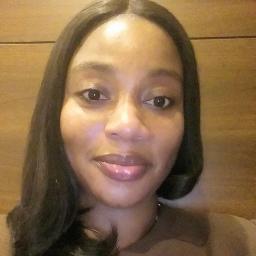
About Sacra
Sacra Durandisse is a licensed clinician who uses evidence-based therapeutic techniques to help people manage stress, anxiety, addictions, and recovery from trauma and abuse. She holds an MD and is credentialed as an LCPC and a Washington-area Licensed Mental Health Counselor, and she brings 27 years of professional experience to her work.
She speaks English and offers services to international clients as well. She centers therapy on the person in front of her.
Background and approach
She treats clients as the expert in their own story and builds on the strengths they already have. Sessions focus on clear, practical steps that fit into everyday life. Sacra emphasizes steady progress over quick fixes.
Her practice addresses self-esteem, motivation, and coping with major life changes. She also helps people navigate communication problems, control issues, and the emotional fallout of divorce or separation. Workplace stress, money worries, guilt, shame, and forgiveness are common topics in sessions.
For people struggling with mood disorders, post-traumatic stress, social anxiety, and phobias, she provides structured support aimed at reducing symptoms and improving daily functioning. When addictions are part of a client’s story, treatment balances safety, motivation, and practical relapse prevention. Sacra offers guidance while helping clients set realistic goals.
Therapy is collaborative and paced to each person’s needs. She helps clients identify options, try new coping strategies, and adjust plans when something isn’t working. The overall goal is more confidence, clearer choices, and felt improvement in day-to-day life.
Evidence-based approaches for online care
Many of the techniques Sacra uses come from well-studied, practical therapies that focus on changing unhelpful patterns and building coping skills. One common approach involves skills training to manage anxiety and mood symptoms by teaching breathing, grounding, and behavior adjustments that reduce overwhelm and improve daily functioning. Another approach focuses on trauma-informed strategies that help people process distressing memories and learn ways to reduce their impact on current life and relationships.Choosing the right approach is a collaborative process. The therapist and client discuss goals, try a method, and adjust the plan based on what helps most. This back-and-forth makes sure the work fits the person’s needs and pace rather than following a fixed script.
Online work uses video calls, phone sessions, live chat, or text-based messaging to make therapy more flexible. Video lets people see facial cues and use visual tools. Phone sessions can be useful when bandwidth is limited or when a shorter check-in is needed. Live chat and text-based messaging make it easier to fit therapy into busy days and to send quick updates between sessions. These options help people keep consistent contact and continue progress even with a hectic schedule.
Frequently asked questions
What kinds of issues does she address?
How would you describe her therapeutic style?
What experience does she bring to therapy?
Where is she licensed and based?
Which languages are sessions offered in?
What session formats are available?
How are sessions priced?
How do I begin working with her?
Specialties and expertise
Top specialties
Also works with
- Experience
- 27 years
- Licensed
- Maryland, Washington, Virginia
- Languages
- English