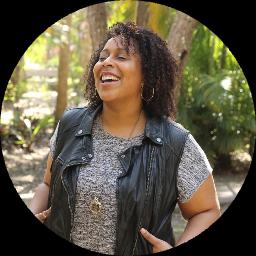
About Sarai
Sarai Escarment brings 15 years of clinical practice as a Licensed Mental Health Counselor (LMHC) in Florida. She centers her work on restoring hope and helping people find tools to manage hard moments. Her approach is practical and goal-minded, aimed at improving day-to-day life.
Sarai works with people facing anxiety, depression, stress, and grief. She also helps those dealing with addiction, ADHD, bipolar concerns, and relationship or family conflict. Parenting stress, sleeping and eating concerns, anger, and low self-esteem are common topics she addresses.
Background and approach
She blends evidence-based methods to match each person's needs. Cognitive Behavioral Therapy and Dialectical Behavior Therapy are part of her toolbox, along with mindfulness techniques and motivational interviewing. Solution-focused ideas are used for clear, shorter-term goals.
Sarai favors a warm, encouraging style. Sessions are collaborative and straightforward. She offers practical skills, clear feedback, and exercises to practice between meetings.
Her practice also supports people coping with career transitions, compassion fatigue, intimacy issues, and other life changes. The goal is to help clients build skills that fit their daily routines and responsibilities. People who prefer a direct, supportive counselor may find her style helpful.
She aims to guide clients through challenges so they can make steady progress and feel more in control of their lives.
Online approaches that build skills and calm
Sarai commonly uses Cognitive Behavioral Therapy and Dialectical Behavior Therapy in online work. CBT focuses on identifying unhelpful thoughts and changing behaviors to reduce symptoms like anxiety or depression. DBT teaches emotion regulation, distress tolerance, and interpersonal skills for strong reactions and relationship strain.She also draws on mindfulness techniques to help people notice thoughts and bodily signals without reacting immediately. Motivational interviewing may be used when someone feels uncertain about change, helping them find their own reasons to move forward. These methods are described plainly and applied to everyday problems like sleep, cravings, or relationship conflict.
Choosing the right approach happens together. The therapist will talk with each person about goals, preferences, and what has helped or not helped before. Plans are adjusted as progress is made so the work fits each person's life.
Online sessions include video calls, phone sessions, live chat, and text-based messaging for flexibility. Video is useful for regular check-ins and skill demonstrations. Phone sessions can be easier when bandwidth is limited or a shorter check-in is needed. Live chat and messaging work well for ongoing support, brief coaching, or when written reflections feel most helpful.
Frequently asked questions
What concerns does she help with?
What is her therapeutic style like?
How much experience does she have?
What are her credentials and where is she based?
Which languages are available for sessions?
Can she work with international clients?
What session formats are offered?
How do payments and getting started work?
Specialties and expertise
Top specialties
- Stress, Anxiety
- Addictions
- Relationship issues
Also works with
- ADHD
- Anger management
- Bipolar disorder
- Career difficulties
- Coaching
- Compassion fatigue
- Coping with life changes
- Depression
- Eating disorders
- Family conflicts
- Grief
- Intimacy-related issues
- Parenting issues
- Self esteem
- Sleeping disorders
- Trauma and abuse
Therapeutic approaches
- Experience
- 15 years
- Licensed
- Florida
- Languages
- English