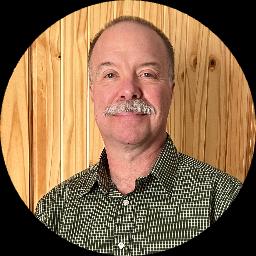
About Scott
Scott Wetherhold is a licensed counselor who helps people facing anxiety, depression, grief, addiction, and major life changes. He practices as a Licensed Professional Counselor (LPC) and a Licensed Mental Health Counselor (LMHC) and keeps his work straightforward and practical. Scott aims to create a calm space where people can talk through what feels hard and learn simple ways to cope.
He focuses on rebuilding confidence and handling strong emotions like anger, shame, or isolation.
Background and approach
Scott often helps people recover from trauma, panic attacks, and the long-term effects of stress. He also supports those dealing with caregiver strain, first responder stress, and career or purpose questions. Scott combines several therapy methods to fit each person's needs.
That can mean learning new thinking patterns, practicing present-moment awareness, or processing painful memories so they feel less overwhelming. He draws on approaches such as Acceptance and Commitment Therapy, Cognitive Behavioral Therapy, Client-Centered work, Existential ideas, and EMDR. With five years of clinical experience, Scott brings a direct but compassionate style.
He aims to work together with people to set clear, realistic goals and build habits that last. His practice is informed by values and by attention to spiritual concerns when clients want that included. Scott provides services from Georgia and offers sessions in English.
He is open to working with people from other regions as well, and he uses a mix of online session formats to fit different schedules and needs.
Therapeutic approaches that translate to online care
Scott often uses Acceptance and Commitment Therapy, a method that helps people notice thoughts and feelings without getting stuck in them while focusing on actions that match personal values. It can be useful for anxiety, low mood, and navigating life changes.He also uses Cognitive Behavioral Therapy, which helps people spot unhelpful thinking patterns and try different behaviors to improve mood and reduce panic. CBT is practical and suits goal-focused work like managing panic attacks or social anxiety.
Finally, Scott incorporates Eye Movement Desensitization and Reprocessing for processing traumatic memories when appropriate; this approach aims to reduce the intensity of distressing memories so they interfere less with day-to-day life.
Finding the right approach is part of the work together. He will review goals, preferences, and what has or hasn’t helped before, then suggest a plan. This is a collaborative process and adjustments are made as therapy progresses.
Online sessions can be scheduled as video calls, phone sessions, live chat, or text-based messaging to fit different routines. Video is helpful for deeper discussions and EMDR-style processing, phone can be a lower-bandwidth option, and chat or text messaging works well for brief check-ins or when people need flexible timing. These options make it easier to keep consistent momentum without long commutes.
Frequently asked questions
What concerns does Scott commonly address?
What is his therapeutic style like?
How much clinical experience does he have?
What credentials and region are associated with this therapist?
Which languages are sessions offered in?
What session formats does he offer?
How are sessions paid for and what do they cost?
How do I begin working with him?
Specialties and expertise
Top specialties
Also works with
- Addictions
- Anger management
- Career difficulties
- Caregiver issues and stress
- Communication problems
- Compassion fatigue
- Coping with life changes
- Depression
- Family conflicts
- First responder issues
- Forgiveness
- Grief
- Guilt and shame
- Isolation / loneliness
- Life purpose
- Men's issues
- Midlife crisis
- Panic disorder and panic attacks
- Post-traumatic stress
- Relationship issues
- Self-love
- Sexual assault and abuse
- Social anxiety and phobia
Therapeutic approaches
- Experience
- 5 years
- Licensed
- Florida, Georgia, Colorado, Virginia
- Languages
- English