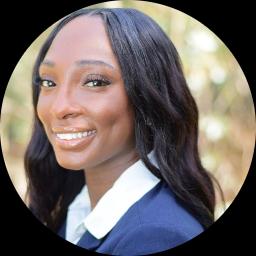
About Sheilla
Sheilla Brunelus offers a calm, straightforward space for people feeling overwhelmed by stress, anxiety, or low mood. She brings seven years of clinical experience and listens without judgment. Her approach aims to help clients build confidence, manage anger, and find clearer direction when life feels stuck.
She uses practical, goal-focused methods. Conversations are shaped to each person’s needs and pace. She emphasizes small, workable steps that lead to lasting change rather than quick fixes.
Background and approach
Her background includes work with trauma and abuse, so she pays attention to safety and pacing during difficult conversations. She also helps people who struggle with loneliness, communication problems, and finding purpose. Sessions blend skills for managing symptoms with space to process feelings.
Sheilla holds credentials as a Licensed Mental Health Counselor, LMHC, and a Licensed Professional Counselor, LPC. She is licensed in Florida and draws on several therapeutic methods to match what clients need most. She explains techniques in plain language and checks in often to make sure the work feels helpful.
People who choose her can expect a respectful, empathetic tone and concrete tools to practice between sessions. The focus is on building self-love, increasing resilience, and making everyday life feel more manageable.
How She Works Online and Which Methods She Uses
Sheilla often uses Cognitive Behavioral Therapy and Trauma-Focused Therapy in online sessions. CBT focuses on spotting and changing unhelpful thoughts and behaviors and is useful for anxiety, depression, and mood struggles. Trauma-Focused Therapy pays attention to how past hurt shows up now and uses careful pacing to process painful memories and reduce their hold.She also uses Motivational Interviewing to build motivation for change when someone feels stuck. This approach involves gentle, guided conversations that help clients clarify what they want and begin taking small steps toward it. Together, these methods offer both skills training and space to work through difficult experiences.
Choosing the right approach is a collaborative process. The therapist will talk with each person about their goals, preferences, and comfort level, then adapt methods as work progresses. That means trying strategies, checking what helps, and adjusting as needed.
Online formats include video calls, phone sessions, live chat, and text-based messaging. Video is good for face-to-face conversations and skill demonstrations. Phone sessions can be easier when bandwidth is limited or when someone prefers not to be on camera. Live chat and text messaging work for brief check-ins, ongoing support between sessions, or when typing feels easier than speaking. These options make it simpler to fit therapy around work, school, and daily life.
Frequently asked questions
What concerns does she address?
What is her general therapy style?
How much clinical experience does she have?
What credentials and location apply?
Which languages are used in sessions?
Can people outside the U.S. work with her?
What session formats are available?
How are costs and scheduling handled?
Specialties and expertise
Top specialties
- Stress, Anxiety
- Trauma and abuse
- Anger management
Also works with
Therapeutic approaches
- Experience
- 7 years
- Licensed
- Florida, Georgia
- Languages
- English