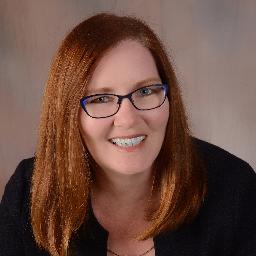
About Sherri
Sherri Kincade is a licensed mental health counselor with 27 years of experience. She works with people facing anxiety, depression, addiction, career strain, and major life changes. Sherri practices from Florida and brings a steady, practical approach to sessions.
She uses straightforward techniques to help people reduce symptoms and increase moments of contentment. Sessions often include talking through current problems, learning skills to manage stress, and setting small goals that fit everyday life.
Background and approach
Sherri draws on methods from cognitive behavioral therapy and mindfulness to shape those skills. Her style is supportive and motivating. She treats therapy as an active process and partners with clients to try out strategies between sessions.
Sometimes the work is skill building, and sometimes it is simply having a clear space to sort through thoughts and feelings. Sherri has long experience with substance use and recovery, trauma and abuse, and mood disorders. She also helps people with relationship strain, intimacy concerns, parenting stress, and career challenges.
Her background includes clinical supervision and many years seeing people from diverse walks of life. People who prefer practical tools alongside listening tend to fit well with her approach. She welcomes direct questions, uses clear language, and focuses on small, realistic steps that can lead to steadier days.
Therapeutic tools for online care
Acceptance and Commitment Therapy (ACT) focuses on helping people notice their values and take small steps toward them even when difficult thoughts or feelings are present. ACT can help with life transitions, anxiety, and finding more meaning in day-to-day life. Cognitive Behavioral Therapy (CBT) looks at how thoughts, feelings, and behaviors interact and teaches concrete skills to reduce symptoms like worry or low mood. CBT is useful for anxiety, depression, and stress management. Dialectical Behavior Therapy (DBT) offers practical skills for managing strong emotions, improving relationships, and tolerating distress when life feels overwhelming.Choosing a method is a team effort. The therapist will talk with the client about goals, try approaches that fit those aims, and adjust based on what works. That collaborative process helps narrow down which tools to use and when to focus on skills versus processing experiences.
Online sessions can be scheduled as video calls, phone sessions, live chat, or text-based messaging. Video helps when visual cues matter, phone works well if bandwidth is limited, live chat suits shorter check-ins, and messaging supports ongoing reflection between focused sessions. These options make appointments more flexible and easier to fit into busy days.
Frequently asked questions
What concerns does she commonly address?
What is her therapeutic style like?
How much clinical experience does she have?
What credentials and location are listed?
Are sessions offered in other languages or internationally?
What session formats are available?
How does pricing work for sessions?
How do I begin working with her?
Specialties and expertise
Top specialties
- Stress, Anxiety
- Addictions
- Career difficulties
Also works with
- Bipolar disorder
- Coaching
- Compassion fatigue
- Coping with life changes
- Depression
- Drug and alcohol addiction
- Intimacy-related issues
- Mood disorders
- Parenting issues
- Relationship issues
- Self esteem
- Trauma and abuse
- Women's issues
Therapeutic approaches
- Experience
- 27 years
- Licensed
- Florida, Vermont
- Languages
- English