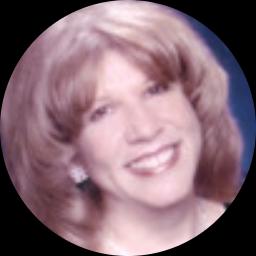
About Stella
Dr. Stella Verna Ross welcomes people who are worn down by stress, struggling with anxiety, or facing big life changes. She helps with relationship concerns, grief, low self-esteem, and finding purpose.
Her first aim is to make each person feel heard and respected. With three decades of clinical work, Dr. Ross offers steady, practical support rather than quick fixes.
She focuses on everyday steps clients can use between sessions. Conversations tend to center on clear goals, coping tools, and small changes that build confidence over time.
Background and approach
She keeps sessions straightforward and goal-oriented. People can expect gentle questioning, reflective listening, and concrete strategies for managing overwhelming feelings or compulsive behaviors. Communication skills are a common focus for people wanting calmer, clearer interactions.
Dr. Ross also has experience with issues that often accompany life transitions. This includes first responder stress, immigration-related struggles, postpartum depression, seasonal mood shifts, and process addictions.
She addresses cultural and identity concerns with care and attention to each person’s story. Therapy with her blends practical problem solving and emotional work. Sessions work well for someone who wants a clear plan, regular feedback, and steady encouragement.
Dr. Ross is a Licensed Mental Health Counselor, LMHC, practicing in Florida and available to work with people across borders when needed.
How evidence-based approaches work online
Dr. Ross uses evidence-based therapeutic techniques focused on clear, practical change. One common approach is structured problem-solving and skill-building to reduce anxiety and manage compulsive behaviors; this involves breaking problems into steps and practicing new responses. Another frequent focus is emotion-focused work that helps people name and tolerate difficult feelings, which can ease grief, low self-esteem, and relationship strain.Choosing the right approach is a collaborative process. The therapist will talk with the client about goals, preferences, and what has or hasn’t helped before. Together they will try methods, adjust them as needed, and keep track of progress so the work stays useful and relevant.
Online sessions offer flexibility for different rhythms of life. Video calls allow face-to-face conversation when visual cues matter. Phone sessions work well when bandwidth or camera use is a problem. Live chat and text-based messaging are useful for brief check-ins, step-by-step coaching, or when someone prefers writing over speaking. These options make it easier to fit therapy into work, caregiving, or travel schedules while keeping momentum between meetings.
Frequently asked questions
What concerns does she help with?
What is her general therapy style?
How long has she been practicing?
What credentials and location are listed?
Can I work with her if I live outside the U.S.?
Which session formats are available?
How is cost handled for sessions?
What should I do to begin therapy?
Specialties and expertise
Top specialties
- Stress, Anxiety
- Relationship issues
- Grief
Also works with
- Communication problems
- Coping with life changes
- First responder issues
- Gender dysphoria
- Immigration issues
- Jealousy
- Life purpose
- Multicultural concerns
- Obsessions, compulsions, and OCD
- Paranoia
- Personality disorders
- Phobias
- Postpartum depression
- Process addiction (porn, exercise, gambling)
- Seasonal Affective Disorder (SAD)
- Self esteem
- Self-harm
- Self-love
- Sex addiction
- Sexual assault and abuse
- Experience
- 30 years
- Licensed
- Florida
- Languages
- English