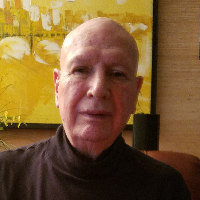
About Thomas
Dr. Thomas Keller helps people who are feeling stuck, overwhelmed, or unsure where to begin. He welcomes direct conversation about stress, anxiety, depression, substance use, and problems with intimacy or relationships.
He speaks English, Spanish, and Hungarian and practices in Florida as an LMHC (Licensed Mental Health Counselor). With 25 years of clinical experience, he keeps sessions straightforward and focused on practical steps. He listens first, then helps people name what’s most troubling.
Background and approach
He uses clear language and sometimes a bit of humor to ease tension and build rapport. His work often centers on coping with life changes, grief, anger, and struggles with self-esteem. He also addresses career concerns, caregiver stress, and challenges tied to mood and personality disorders.
He will talk through relationship and communication problems and help people weigh choices around commitment, separation, or infidelity. Keller draws on several therapeutic methods to match each person’s needs. He blends client-centered care with Cognitive Behavioral Therapy and narrative and psychodynamic ideas when they fit.
He also uses solution-focused techniques to set short-term goals and measure progress. People who choose him can expect a collaborative approach that balances insight with practical tools. Sessions aim to clarify what matters, reduce overwhelming feelings, and build steps toward better day-to-day functioning.
How therapeutic approaches translate to online care
Client-Centered Therapy focuses on understanding each person’s experience and building a trusted, nonjudgmental conversation. It helps with feelings of low self-worth, relationship struggles, and general emotional distress by prioritizing the person’s own goals and perspective.Cognitive Behavioral Therapy (CBT) looks at the connection between thoughts, feelings, and actions and teaches concrete skills to change unhelpful patterns. It is useful for anxiety, depression, addiction-related behaviors, and coping with life changes.
Finding the right approach is part of the work. The therapist will collaborate with the client to choose methods that match the problem, the person’s goals, and how they prefer to work. That may mean combining approaches or shifting focus as progress is made.
Online sessions can make therapy easier to fit into a busy life. Video calls let people see facial cues and build rapport. Phone sessions are good when bandwidth is limited or a shorter check-in is needed. Live chat and text-based messaging support ongoing reflection and quick touchpoints between sessions. Together these options offer flexibility and make it simpler to continue regular, consistent work toward clearer thinking and better coping.
Frequently asked questions
What concerns does he help with?
What is his general therapy style?
How much clinical experience does he have?
What credential does he hold and where is he based?
Which languages are supported for sessions?
What session formats are available?
How is cost handled for sessions?
How do I begin a therapy process?
Specialties and expertise
Top specialties
- Stress, Anxiety
- Addictions
- Relationship issues
Also works with
- Abandonment
- Aging and geriatric issues
- Anger management
- Bipolar disorder
- Career difficulties
- Caregiver issues and stress
- Coaching
- Codependency
- Commitment issues
- Communication problems
- Compassion fatigue
- Control issues
- Coping with life changes
- Depression
- Divorce and separation
- Family conflicts
- Grief
- Impulsivity
- Infidelity
- Intimacy-related issues
- Life purpose
- Mood disorders
- Personality disorders
- Post-traumatic stress
- Self esteem
- Sex addiction
- Sexual dysfunction
- Sexuality
- Veteran and Armed Forces Issues
Therapeutic approaches
- Experience
- 25 years
- Licensed
- Florida
- Languages
- English, Spanish, Hungarian