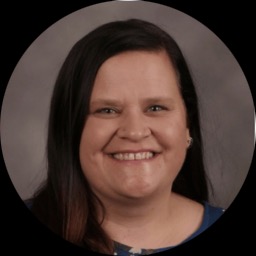
About Tricia
Tricia Page is a licensed mental health counselor in Utah with thirteen years of experience. She offers a calm, accepting presence and focuses on practical steps people can use to feel better. Her style is open and nonjudgmental, and she works with each person to set clear goals and identify what helps most for them.
She uses client-centered methods to build trust and to make sure each session fits the person in front of her.
Background and approach
Cognitive Behavioral Therapy, or CBT, is part of her work when people want to change patterns of thinking and behavior that feed anxiety or low mood. She also draws on Dialectical Behavior Therapy skills for emotion regulation and coping strategies. Tricia has worked with people dealing with stress, anxiety, depression, addictions, trauma and grief.
She supports those struggling with self-esteem, body image, relationship and communication problems, codependency, and life changes like career shifts or fertility challenges. She also helps with mood concerns such as panic, OCD patterns, phobias, and Seasonal Affective Disorder. Sessions focus on what a person needs now - short-term tools, long-term skills, or a mix of both.
She listens to each person’s story and tailors plans around attainable steps. Motivational Interviewing and solution-focused techniques are used when people want help finding motivation and direction. Tricia asks straightforward questions and offers clear options for moving forward.
Her aim is to empower people to manage daily challenges, improve relationships, and reconnect with goals that matter to them.
Practical therapy approaches for online care
Tricia uses Client-Centered Therapy to create a respectful space where a person’s goals guide the work. This approach focuses on listening closely and helping people feel understood so they can decide what changes matter most.She also applies Cognitive Behavioral Therapy, or CBT, to help identify unhelpful thoughts and test new behaviors. CBT is often useful for anxiety, depression, panic, and problems like OCD where patterns of thinking and action keep symptoms active.
Finding the right approach is part of therapy. Tricia will collaborate with each person to pick methods that fit their needs, goals, and preferences. Together they try tools, track what helps, and adjust the plan as progress and challenges emerge.
Online sessions are offered by video calls, phone sessions, live chat, or text-based messaging to provide flexibility. Video calls allow face-to-face conversation; phone sessions can be easier when bandwidth is limited or for shorter check-ins. Live chat and text messaging are useful for brief updates, coping support between sessions, or when writing feels more comfortable. These options make it simpler to fit therapy into work, family, and travel schedules while working on the same therapeutic skills used in person.
Frequently asked questions
What concerns does Tricia help with?
What is her therapeutic approach like?
What kind of experience does she bring?
Where is she licensed and located?
Which languages are supported for sessions?
What session formats are available?
How are sessions priced?
How do I begin working with her?
Specialties and expertise
Top specialties
Also works with
- Body image
- Career difficulties
- Codependency
- Communication problems
- Coping with life changes
- Depression
- Family conflicts
- Fertility issues
- Grief
- Guilt and shame
- Life purpose
- Mood disorders
- Obsessions, compulsions, and OCD
- Panic disorder and panic attacks
- Parenting issues
- Phobias
- Relationship issues
- Seasonal Affective Disorder (SAD)
- Self esteem
- Self-love
- Social anxiety and phobia
- Trauma and abuse
Therapeutic approaches
- Experience
- 13 years
- Licensed
- Utah
- Languages
- English