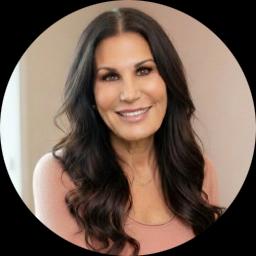
About Trisha
Trisha Williams is a licensed mental health counselor (LMHC) practicing in Washington. She brings 22 years of clinical experience to sessions and focuses on stress, anxiety, depression, and life changes. She centers the conversation on each person's real concerns and practical steps forward.
Her approach is straightforward and respectful. She listens first and asks simple questions to clarify what feels most urgent. She helps people set boundaries, improve communication, and manage strong emotions without overwhelming jargon.
Background and approach
Trisha uses a mix of techniques to match what a person needs. She draws from cognitive behavioral ideas to notice and shift unhelpful thoughts. Mindfulness tools are introduced for grounding and reducing reactivity.
Acceptance and Commitment Therapy supports values-based choices when life feels uncertain. Sessions tend to focus on small, achievable goals. Trisha helps people build routines, practice new ways of talking with others, and try short exercises between meetings.
She also works with grief, trauma and abuse, addictions, bipolar mood issues, and parenting concerns using tailored strategies. People who reach out can expect clear options and steady support. Trisha aims to collaborate on next steps and to keep progress realistic.
Her style is calm, pragmatic, and encouraging for those wanting steady change.
How therapeutic approaches work online
Acceptance and Commitment Therapy (ACT) focuses on clarifying personal values and taking action toward them even when difficult thoughts or feelings appear. Online ACT sessions often use short exercises and real-life homework to help people move toward what matters. Cognitive Behavioral Therapy (CBT) helps identify unhelpful thought patterns and then test new behaviors to reduce symptoms like anxiety or panic. In virtual sessions CBT often includes guided practice and worksheets adapted for video or messaging.Finding the right approach is part of the work. The therapist will discuss options and try methods that fit a person's goals and preferences. Decisions are collaborative so adjustments can be made if something does not feel helpful.
Online therapy offers practical flexibility. Video calls allow face-to-face conversation when visual cues matter. Phone sessions use less bandwidth and can be easier to schedule during a busy day. Live chat and text-based messaging are useful for short check-ins, mood tracking, and connecting between longer sessions. These options make it easier to keep momentum while fitting therapy into everyday life.
Frequently asked questions
What issues does she help with?
How would you describe her therapy style?
What is her professional background?
Where is she licensed and located?
Which languages are supported?
What session formats are offered?
How does pricing work?
How do I begin working with her?
Specialties and expertise
Top specialties
- Stress, Anxiety
- Relationship issues
- Self esteem
Also works with
- Addictions
- Bipolar disorder
- Communication problems
- Coping with life changes
- Depression
- Divorce and separation
- Family conflicts
- Family problems
- Grief
- Guilt and shame
- Life purpose
- Mood disorders
- Panic disorder and panic attacks
- Parenting issues
- Post-traumatic stress
- Self-love
- Trauma and abuse
- Young adult issues
Therapeutic approaches
- Experience
- 22 years
- Licensed
- Washington
- Languages
- English