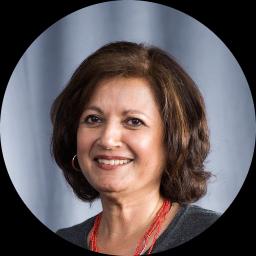
About Uzma
Uzma Ahmad uses a strength-based approach to guide people through hard times. She draws on 25 years of experience to help clients manage stress and anxiety, face grief, and address relationship concerns. Uzma aims to make the first step toward therapy feel manageable and supported.
She holds a Licensed Professional Counselor credential in Oregon and a Licensed Mental Health Counselor credential in Washington. Her background includes teaching psychology at the university level, which shaped her clear and practical style.
Background and approach
Sessions focus on building a practical plan that fits each person's life. Uzma helps people work through trauma and abuse, including sexual abuse. She also addresses parenting challenges, communication problems, attachment and abandonment concerns, and post-traumatic stress.
Other areas she supports include guilt and shame, forgiveness, isolation and loneliness, and questions about life purpose and self-love. Conversations in her sessions are meant to be direct and respectful. Uzma seeks to create an open space where thoughts and feelings can be shared without fear of judgment.
She encourages small, doable steps and uses techniques that match each person's goals. She offers services in English, Hindi, Punjabi, and Urdu. Therapy is delivered online by video, phone, live chat, or text-based messaging, making it possible to fit work and family schedules.
Signing up begins with a short matching questionnaire and scheduling based on therapist availability.
How therapeutic approaches translate to online care
Uzma uses evidence-based techniques that focus on strengths and practical change. A strength-based approach helps clients recognize what already works for them and build on those abilities to reduce stress and manage anxiety. This style is useful for people who want hands-on steps and encouragement.She also applies trauma-informed methods to address the effects of abuse and post-traumatic stress. These methods focus on stabilizing distress, improving coping skills, and working at a pace that feels manageable. They are suited to people dealing with traumatic memories, flashbacks, or strong emotional reactions.
Choosing the right approach is a collaborative process. The therapist will talk with each person about their goals, needs, and preferences, then tailor techniques that feel most helpful. Clients and therapist regularly check in and adjust the plan as progress is made.
Online formats include video calls, phone sessions, live chat, and text-based messaging. Video works well for a face-to-face style session, phone can be used when bandwidth is limited, live chat and messaging are useful for brief check-ins or ongoing support between sessions. These options make it easier to fit therapy into work and family life and to access care from different locations.
Frequently asked questions
What concerns does she address?
How would you describe her therapeutic style?
What experience does she bring to sessions?
What are her credentials and where is she based?
Which languages are supported for therapy?
What session formats are available?
How does pricing and payment work?
How do I begin working with her?
Specialties and expertise
Top specialties
- Stress, Anxiety
- Relationship issues
- Trauma and abuse
Also works with
- Experience
- 25 years
- Licensed
- Washington, Oregon
- Languages
- English, Hindi, Punjabi, Urdu