
Dr. Daniella Jackson, LMHC
Florida · 20 yrs in practice · 2 languages
Works with Stress, Anxiety / Addictions / Relationship +17
Works by Acceptance and Commitment Therapy (ACT) / Attachment-Based Therapy
Read profileTherapist listings come from BetterHelp. We will earn a commission if you sign up through a link on this page, at no extra cost to you, and it does not change the order of the listings.
Here you will find therapists who list blended family issues among their specialties, along with their approaches, credentials, languages, and focus areas. Browse the listings below to review profiles and learn which professionals might match your family's needs.
Florida · 20 yrs in practice · 2 languages
Works with Stress, Anxiety / Addictions / Relationship +17
Works by Acceptance and Commitment Therapy (ACT) / Attachment-Based Therapy
Read profile
New York · 11 yrs in practice
Works with Stress, Anxiety / Grief / Self esteem +9
Works by Acceptance and Commitment Therapy (ACT) / Attachment-Based Therapy
Read profile
Florida · 26 yrs in practice
Works with Stress, Anxiety / Relationship / Anger +14
Works by Client-Centered Therapy / Cognitive Behavioral Therapy (CBT)
Read profile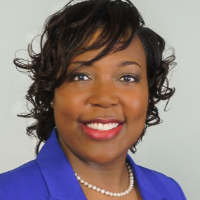
Florida · 10 yrs in practice
Works with Relationship / Family / Self esteem +5
Works by Client-Centered Therapy / Cognitive Behavioral Therapy (CBT)
Read profile
Florida · 18 yrs in practice
Works with Stress, Anxiety / Relationship / Grief +13
Works by Client-Centered Therapy / Cognitive Behavioral Therapy (CBT)
Read profile
Pennsylvania · 10 yrs in practice
Works with Stress, Anxiety / Relationship / Grief +9
Works by Cognitive Behavioral Therapy (CBT) / Dialectical Behavior Therapy (DBT)
Read profile
New Jersey · 20 yrs in practice
Works with Stress, Anxiety / Addictions / Parenting +8
Works by Client-Centered Therapy / Cognitive Behavioral Therapy (CBT)
Read profile
Indiana · 8 yrs in practice
Works with Stress, Anxiety / Addictions / Family +16
Works by Acceptance and Commitment Therapy (ACT) / Attachment-Based Therapy
Read profile
Florida · 20 yrs in practice
Works with Addictions / Relationship / Trauma and abuse +15
Works by Acceptance and Commitment Therapy (ACT) / Attachment-Based Therapy
Read profile
New York · 36 yrs in practice
Works with Stress, Anxiety / Family / Parenting +8
Works by Client-Centered Therapy / Cognitive Behavioral Therapy (CBT)
Read profile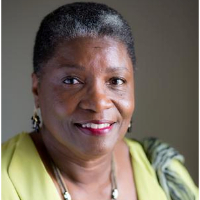
Florida · 12 yrs in practice
Works with Stress, Anxiety / Addictions / Parenting +9
Works by Client-Centered Therapy / Cognitive Behavioral Therapy (CBT)
Read profile
Florida · 16 yrs in practice
Works with Stress, Anxiety / Trauma and abuse / Self esteem +7
Works by Attachment-Based Therapy / Client-Centered Therapy
Read profile
Florida · 13 yrs in practice
Works with Stress, Anxiety / Self esteem / Depression +8
Works by Acceptance and Commitment Therapy (ACT) / Client-Centered Therapy
Read profile
Florida · 8 yrs in practice · 4 languages
Works with Stress, Anxiety / Relationship / Family +10
Works by Client-Centered Therapy / Cognitive Behavioral Therapy (CBT)
Read profile
Florida · 20 yrs in practice
Works with Stress, Anxiety / Relationship / Grief +2
Works by Acceptance and Commitment Therapy (ACT) / Attachment-Based Therapy
Read profile
Indiana · 11 yrs in practice
Works with Stress, Anxiety / Addictions / Trauma and abuse +15
Works by Client-Centered Therapy / Cognitive Behavioral Therapy (CBT)
Read profile
Florida · 35 yrs in practice
Works with Stress, Anxiety / Family / Grief +17
Works by Attachment-Based Therapy / Client-Centered Therapy
Read profile
New Jersey · 9 yrs in practice
Works with Stress, Anxiety / Addictions / Self esteem +16
Works by Client-Centered Therapy / Cognitive Behavioral Therapy (CBT)
Read profile
New York · 20 yrs in practice · 3 languages
Works with Stress, Anxiety / Relationship / Family +16
Works by Client-Centered Therapy / Cognitive Behavioral Therapy (CBT)
Read profile
Massachusetts · 30 yrs in practice
Works with Addictions / Family / Trauma and abuse +17
Read profile
New York · 9 yrs in practice
Works with Stress, Anxiety / Relationship / Parenting +2
Works by Acceptance and Commitment Therapy (ACT) / Client-Centered Therapy
Read profile
Florida · 11 yrs in practice
Works with Stress, Anxiety / Trauma and abuse / Grief +9
Works by Acceptance and Commitment Therapy (ACT) / Attachment-Based Therapy
Read profile
Florida · 25 yrs in practice
Works with Stress, Anxiety / Addictions / Trauma and abuse +15
Works by Client-Centered Therapy / Cognitive Behavioral Therapy (CBT)
Read profile
Florida · 30 yrs in practice
Works with Stress, Anxiety / Family / Trauma and abuse +15
Works by Client-Centered Therapy / Cognitive Behavioral Therapy (CBT)
Read profile
Florida · 12 yrs in practice · 2 languages
Works with Stress, Anxiety / Trauma and abuse / Anger +2
Read profile
New York · 7 yrs in practice
Works with Addictions / Relationship / Trauma and abuse +7
Works by Client-Centered Therapy / Cognitive Behavioral Therapy (CBT)
Read profile
Iowa · 9 yrs in practice
Works with Trauma and abuse / Grief / Anger +11
Works by Acceptance and Commitment Therapy (ACT) / Attachment-Based Therapy
Read profile
Iowa · 9 yrs in practice
Works with Stress, Anxiety / Trauma and abuse / Grief +13
Works by Acceptance and Commitment Therapy (ACT) / Client-Centered Therapy
Read profile
New York · 10 yrs in practice · 2 languages
Works with Stress, Anxiety / Family / Self esteem +6
Works by Acceptance and Commitment Therapy (ACT) / Client-Centered Therapy
Read profile
Florida · 25 yrs in practice
Works with Stress, Anxiety / Relationship / Family +14
Read profile
Washington · 22 yrs in practice
Works with Stress, Anxiety / Relationship / Family +12
Works by Attachment-Based Therapy / Client-Centered Therapy
Read profile
Florida · 34 yrs in practice
Works with Stress, Anxiety / Family / Parenting +12
Works by Client-Centered Therapy / Cognitive Behavioral Therapy (CBT)
Read profile
Florida · 11 yrs in practice
Works with Stress, Anxiety / Family / Trauma and abuse +14
Works by Acceptance and Commitment Therapy (ACT) / Client-Centered Therapy
Read profile
Rhode Island · 20 yrs in practice
Works with Stress, Anxiety / Relationship / Family +15
Works by Acceptance and Commitment Therapy (ACT) / Cognitive Behavioral Therapy (CBT)
Read profile
Florida · 8 yrs in practice
Works with Stress, Anxiety / Addictions / Trauma and abuse +15
Works by Attachment-Based Therapy / Client-Centered Therapy
Read profile
Massachusetts · 10 yrs in practice
Works with Stress, Anxiety / LGBT / Relationship +11
Works by Acceptance and Commitment Therapy (ACT) / Attachment-Based Therapy
Read profile
Nevada · 20 yrs in practice
Works with Stress, Anxiety / Self esteem / Depression +9
Works by Attachment-Based Therapy / Client-Centered Therapy
Read profile
Florida · 20 yrs in practice
Works with Stress, Anxiety / Relationship / Grief +15
Works by Client-Centered Therapy / Cognitive Behavioral Therapy (CBT)
Read profile
New York · 38 yrs in practice
Works with Stress, Anxiety / Addictions / Relationship +16
Works by Acceptance and Commitment Therapy (ACT) / Attachment-Based Therapy
Read profile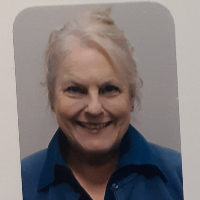
Washington · 27 yrs in practice
Works with Stress, Anxiety / Relationship / Family +8
Works by Client-Centered Therapy / Cognitive Behavioral Therapy (CBT)
Read profile
Florida · 30 yrs in practice · 2 languages
Works with Stress, Anxiety / Relationship / Family +16
Works by Acceptance and Commitment Therapy (ACT) / Attachment-Based Therapy
Read profile
Florida · 23 yrs in practice
Works with Stress, Anxiety / Self esteem / Career +12
Works by Client-Centered Therapy / Cognitive Behavioral Therapy (CBT)
Read profile
New York · 10 yrs in practice
Works with Stress, Anxiety / Family / Trauma and abuse +13
Works by Attachment-Based Therapy / Client-Centered Therapy
Read profile
Florida · 38 yrs in practice
Works with Stress, Anxiety / Relationship / Self esteem +13
Works by Acceptance and Commitment Therapy (ACT) / Attachment-Based Therapy
Read profile
Florida · 10 yrs in practice
Works with Relationship / Family / Parenting +6
Works by Client-Centered Therapy / Psychodynamic Therapy
Read profile
Florida · 29 yrs in practice
Works with Grief / Self esteem / Career +7
Works by Cognitive Behavioral Therapy (CBT)
Read profile
Indiana · 11 yrs in practice
Works with Stress, Anxiety / Trauma and abuse / Grief +9
Works by Attachment-Based Therapy / Client-Centered Therapy
Read profile
Florida · 15 yrs in practice
Works with Stress, Anxiety / Addictions / LGBT +14
Works by Client-Centered Therapy / Cognitive Behavioral Therapy (CBT)
Read profileWhen families come together after previous relationships, the resulting household can bring both hope and complications. Blended family issues refer to the emotional, practical, and relational challenges that arise when partners, children, and extended family members navigate new roles and changing loyalties. You may be dealing with differences in parenting philosophy, unclear boundaries between homes, or lingering grief from divorce or loss. These dynamics can influence day-to-day routines, long-term planning, and the ways family members relate to one another.
The impact of blended family dynamics is often subtle at first and can grow over time. Children might test limits as they adapt to a new caregiver, teenagers may resist new rules or alliances, and partners can feel caught between partnership needs and parenting disagreements. Finances, household responsibilities, and holidays often become flashpoints that highlight underlying unmet expectations. You do not need a crisis to seek help; many people pursue therapy to prevent patterns from becoming entrenched and to learn skills for smoother interactions.
There are several indicators that working with a therapist could help your blended family navigate transitions more effectively. If you notice persistent conflict that interferes with connection, repeated arguments over the same topics, or strong feelings of resentment or distance, these are signals that intervention may be useful. Children who act out, withdraw, or show declining school performance may be responding to the strain of new family arrangements. You might feel overwhelmed by parenting decisions, unsure of how to negotiate discipline across households, or anxious about loyalty conflicts between a biological parent and a stepparent.
You may also experience stress related to co-parenting with an ex-partner, especially when communication patterns break down or when rules differ dramatically between households. If major life events such as moving in together, remarriage, or the addition of new siblings intensify tensions, therapy can provide a space to articulate expectations and redesign household systems. In cases where grief, trust issues, or past trauma complicate bonding, targeted therapeutic conversations can help you move forward with greater clarity and compassion.
Your first few sessions will typically focus on understanding the family story and identifying immediate concerns. A therapist will ask about household routines, parenting approaches, relationships with ex-partners, and what each person hopes will change. You can expect a collaborative conversation where goals are clarified, whether that means improving communication, reducing conflict, creating a shared parenting plan, or strengthening couple bonds while parenting stepchildren. The therapist will work with you to set realistic steps toward those goals.
Therapy for blended families can include individual sessions, couple sessions, and meetings that include children or whole-family gatherings. You might begin with adults only to establish shared strategies and then bring children into some sessions to practice new skills and to address their concerns directly. Sessions often involve learning and practicing communication techniques, role negotiation, and problem-solving strategies. You may also explore emotional themes such as grief, loyalty, identity, and trust that influence everyday interactions.
Between sessions, expect practical exercises designed to change patterns in the household. These might include structured conversations about rules and routines, shared calendars for parenting responsibilities, or steps for de-escalating arguments. Over time, these small adjustments can create clearer expectations and reduce friction. Therapy is less about assigning blame and more about reshaping the systems that govern how family members relate to one another.
Therapists bring a range of approaches to blended family work, and many list particular methods among their approaches. Systems-oriented perspectives view the family as an interconnected network and focus on changing interaction patterns to improve functioning. Cognitive behavioral approaches help individuals and parents identify unhelpful thought patterns that fuel conflict and replace them with more constructive responses. Emotion-focused work attends to how feelings such as grief, rejection, and anger influence behavior and relationships, and aims to build emotional attunement among family members.
Other therapists may list structural family therapy among their approaches, emphasizing clear roles, boundaries, and hierarchies that support healthy functioning. Narrative techniques can help family members separate identity from their problems by reshaping the story they tell about their blended family. Some therapists list experiential interventions that involve in-session enactments to practice new behaviors. If trauma or loss complicates family life, you may find therapists who list trauma-informed approaches or who list EMDR among their approaches as options. It is reasonable to ask how a therapist integrates these methods when working with stepfamilies so you can find an approach that fits your comfort level.
Online therapy has become a common way to address blended family concerns, offering flexibility in how and where you meet. Sessions typically occur via video or phone, allowing adults to join from different locations if necessary. When children participate, therapists often recommend a quiet, personal space where interruptions are minimal and instruments like shared screens and digital whiteboards can help with interactive exercises. Virtual sessions can make it easier to coordinate times that fit multiple schedules and can reduce stress associated with travel or childcare logistics.
Clinicians who work online often adapt family exercises for the digital environment, using role plays, guided discussions, and shared documents to create concrete plans. You may use online tools to track goals, record milestones, and review strategies between sessions. If you are considering online work, ask how a therapist structures sessions with children, how they support co-parent coordination across households, and what communication methods they use between appointments. Clear expectations about session length, who will be present, and the types of follow-up tasks can help you make the most of remote therapy.
Selecting the right therapist for blended family work involves looking beyond labels to find good fit. Start by reading profiles to learn whether a clinician explicitly mentions experience with stepfamilies, blended households, or co-parenting challenges. Consider the approaches they list and whether those methods resonate with your goals. Language, cultural background, and experience with similar family structures can also influence comfort and rapport. You may prefer someone who lists family systems work, child-centered strategies, or couples therapy among their approaches depending on whether your primary concern is parenting, partner conflict, or household functioning.
When you contact a therapist, focus on how they describe their process rather than on assurances about outcomes. Ask about how they typically structure sessions for blended families, whether they work with children and adolescents, and how they support coordination with ex-partners when necessary. You might also inquire about how they incorporate online tools if you plan to meet remotely. A therapist who explains concrete steps for goal-setting, communication practice, and boundary development can give you a sense of how your family will progress over time. Ultimately, you should feel that the clinician listens to your priorities and explains methods in clear, practical terms.
Blended families are diverse and resilient, and with intentional guidance you can develop routines, rules, and relationships that honor each member's needs. Therapy can be a space to rehearse new ways of relating, clarify expectations, and reduce the friction that comes from competing loyalties. As you review profiles on this page, look for clinicians who describe a thoughtful, structured approach to stepfamily work and whose style feels like a match for your family’s temperament and goals.
Arizona
7 therapists
California
11 therapists
Connecticut
8 therapists
Florida
1340 therapists
Georgia
11 therapists
Hawaii
38 therapists
Illinois
16 therapists
Indiana
143 therapists
Iowa
57 therapists
Louisiana
6 therapists
Maryland
6 therapists
Massachusetts
133 therapists
Minnesota
6 therapists
Missouri
12 therapists
Nebraska
14 therapists
Nevada
5 therapists
New Hampshire
7 therapists
New Jersey
17 therapists
New York
517 therapists
North Carolina
11 therapists
Ohio
13 therapists
Oregon
9 therapists
Pennsylvania
14 therapists
Rhode Island
21 therapists
South Carolina
10 therapists
Texas
27 therapists
Utah
12 therapists
Virginia
10 therapists
Washington
204 therapists
Wisconsin
6 therapists