
Miriam Perrin, LMHC
Florida · 16 yrs in practice
Works with Stress, Anxiety / Relationship / Trauma and abuse +7
Works by Cognitive Behavioral Therapy (CBT) / Solution-Focused Therapy
Read profileTherapist listings come from BetterHelp. We will earn a commission if you sign up through a link on this page, at no extra cost to you, and it does not change the order of the listings.
This page lists therapists who include body image as a focus area. Use the filters below to compare approaches, credentials, languages, and experience, then browse profiles to learn more.
Find clinicians who work with body image issues and read about common approaches so you can make an informed choice from the listings below.
Florida · 16 yrs in practice
Works with Stress, Anxiety / Relationship / Trauma and abuse +7
Works by Cognitive Behavioral Therapy (CBT) / Solution-Focused Therapy
Read profile
Florida · 20 yrs in practice · 2 languages
Works with Stress, Anxiety / Addictions / Relationship +17
Works by Acceptance and Commitment Therapy (ACT) / Attachment-Based Therapy
Read profile
New York · 5 yrs in practice · 2 languages
Works with Stress, Anxiety / LGBT / Trauma and abuse +13
Works by Acceptance and Commitment Therapy (ACT) / Attachment-Based Therapy
Read profile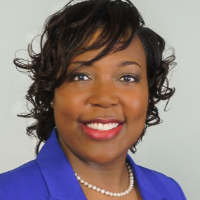
Florida · 10 yrs in practice
Works with Relationship / Family / Self esteem +5
Works by Client-Centered Therapy / Cognitive Behavioral Therapy (CBT)
Read profile
Florida · 18 yrs in practice
Works with Stress, Anxiety / Relationship / Grief +13
Works by Client-Centered Therapy / Cognitive Behavioral Therapy (CBT)
Read profile
Florida · 30 yrs in practice
Works with Stress, Anxiety / Relationship / Trauma and abuse +15
Works by Acceptance and Commitment Therapy (ACT) / Client-Centered Therapy
Read profile
Indiana · 8 yrs in practice
Works with Stress, Anxiety / Addictions / Family +16
Works by Acceptance and Commitment Therapy (ACT) / Attachment-Based Therapy
Read profile
Florida · 20 yrs in practice
Works with Addictions / Relationship / Trauma and abuse +15
Works by Acceptance and Commitment Therapy (ACT) / Attachment-Based Therapy
Read profile
Florida · 17 yrs in practice
Works with Stress, Anxiety / Trauma and abuse / Eating +15
Works by Acceptance and Commitment Therapy (ACT) / Client-Centered Therapy
Read profile
Florida · 19 yrs in practice
Works with Stress, Anxiety / Family / Grief +13
Works by Acceptance and Commitment Therapy (ACT) / Client-Centered Therapy
Read profile
Florida · 24 yrs in practice
Works with Stress, Anxiety / Addictions / Grief +15
Works by Acceptance and Commitment Therapy (ACT) / Client-Centered Therapy
Read profile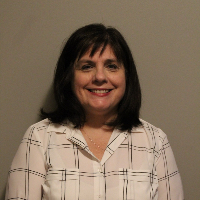
New York · 36 yrs in practice
Works with Stress, Anxiety / Family / Parenting +8
Works by Client-Centered Therapy / Cognitive Behavioral Therapy (CBT)
Read profile
New York · 13 yrs in practice
Works with Stress, Anxiety / Self esteem / Depression +9
Works by Client-Centered Therapy / Cognitive Behavioral Therapy (CBT)
Read profile
Florida · 8 yrs in practice · 4 languages
Works with Stress, Anxiety / Relationship / Family +10
Works by Client-Centered Therapy / Cognitive Behavioral Therapy (CBT)
Read profile
Florida · 20 yrs in practice
Works with Stress, Anxiety / Relationship / Grief +2
Works by Acceptance and Commitment Therapy (ACT) / Attachment-Based Therapy
Read profile
Indiana · 11 yrs in practice
Works with Stress, Anxiety / Addictions / Trauma and abuse +15
Works by Client-Centered Therapy / Cognitive Behavioral Therapy (CBT)
Read profile
Florida · 35 yrs in practice
Works with Stress, Anxiety / Family / Grief +17
Works by Attachment-Based Therapy / Client-Centered Therapy
Read profile
Florida · 9 yrs in practice
Works with Stress, Anxiety / Addictions / Self esteem +10
Works by Client-Centered Therapy / Cognitive Behavioral Therapy (CBT)
Read profile
New York · 20 yrs in practice · 3 languages
Works with Stress, Anxiety / Relationship / Family +16
Works by Client-Centered Therapy / Cognitive Behavioral Therapy (CBT)
Read profile
New York · 9 yrs in practice
Works with Stress, Anxiety / Relationship / Parenting +2
Works by Acceptance and Commitment Therapy (ACT) / Client-Centered Therapy
Read profile
Florida · 10 yrs in practice
Works with Stress, Anxiety / Addictions / Relationship +8
Works by Client-Centered Therapy / Cognitive Behavioral Therapy (CBT)
Read profile
Washington · 50 yrs in practice
Works with Stress, Anxiety / Trauma and abuse / Intimacy-related issues +16
Works by Attachment-Based Therapy / Client-Centered Therapy
Read profile
Florida · 11 yrs in practice
Works with Stress, Anxiety / Trauma and abuse / Grief +9
Works by Acceptance and Commitment Therapy (ACT) / Attachment-Based Therapy
Read profile
Florida · 25 yrs in practice
Works with Stress, Anxiety / Addictions / Trauma and abuse +15
Works by Client-Centered Therapy / Cognitive Behavioral Therapy (CBT)
Read profile
Iowa · 9 yrs in practice
Works with Stress, Anxiety / Trauma and abuse / Grief +13
Works by Acceptance and Commitment Therapy (ACT) / Client-Centered Therapy
Read profile
Florida · 25 yrs in practice
Works with Stress, Anxiety / Relationship / Family +14
Read profile
Florida · 8 yrs in practice
Works with Stress, Anxiety / Addictions / Trauma and abuse +15
Works by Attachment-Based Therapy / Client-Centered Therapy
Read profile
Massachusetts · 10 yrs in practice
Works with Stress, Anxiety / LGBT / Relationship +11
Works by Acceptance and Commitment Therapy (ACT) / Attachment-Based Therapy
Read profile
New York · 11 yrs in practice
Works with Stress, Anxiety / Family / Eating +7
Works by Cognitive Behavioral Therapy (CBT)
Read profile
New York · 7 yrs in practice
Works with Addictions / Relationship / Intimacy-related issues +4
Works by Cognitive Behavioral Therapy (CBT) / Motivational Interviewing
Read profile
Florida · 8 yrs in practice
Works with Stress, Anxiety / Family / Parenting +2
Works by Client-Centered Therapy / Cognitive Behavioral Therapy (CBT)
Read profile
New York · 38 yrs in practice
Works with Stress, Anxiety / Addictions / Relationship +16
Works by Acceptance and Commitment Therapy (ACT) / Attachment-Based Therapy
Read profile
Florida · 30 yrs in practice · 2 languages
Works with Stress, Anxiety / Relationship / Family +16
Works by Acceptance and Commitment Therapy (ACT) / Attachment-Based Therapy
Read profile
Florida · 23 yrs in practice
Works with Stress, Anxiety / Self esteem / Career +12
Works by Client-Centered Therapy / Cognitive Behavioral Therapy (CBT)
Read profile
Florida · 24 yrs in practice
Works with Stress, Anxiety / Grief / Depression +14
Works by Client-Centered Therapy / Cognitive Behavioral Therapy (CBT)
Read profile
New York · 10 yrs in practice
Works with Stress, Anxiety / Relationship / Family +15
Works by Acceptance and Commitment Therapy (ACT) / Attachment-Based Therapy
Read profile
New York · 10 yrs in practice
Works with Stress, Anxiety / Family / Trauma and abuse +13
Works by Attachment-Based Therapy / Client-Centered Therapy
Read profile
New York · 11 yrs in practice
Works with Stress, Anxiety / Relationship / Family +12
Works by Acceptance and Commitment Therapy (ACT) / Attachment-Based Therapy
Read profile
Florida · 38 yrs in practice
Works with Stress, Anxiety / Relationship / Self esteem +13
Works by Acceptance and Commitment Therapy (ACT) / Attachment-Based Therapy
Read profile
Indiana · 11 yrs in practice
Works with Stress, Anxiety / Trauma and abuse / Grief +9
Works by Attachment-Based Therapy / Client-Centered Therapy
Read profile
Florida · 17 yrs in practice
Works with Stress, Anxiety / Parenting / Self esteem +12
Works by Client-Centered Therapy / Cognitive Behavioral Therapy (CBT)
Read profile
Florida · 32 yrs in practice
Works with Stress, Anxiety / Trauma and abuse / Parenting +17
Works by Acceptance and Commitment Therapy (ACT) / Attachment-Based Therapy
Read profile
New York · 6 yrs in practice
Works with Stress, Anxiety / Family / Self esteem +17
Works by Client-Centered Therapy / Cognitive Behavioral Therapy (CBT)
Read profile
Florida · 11 yrs in practice
Works with Stress, Anxiety / Addictions / Anger +12
Works by Client-Centered Therapy / Cognitive Behavioral Therapy (CBT)
Read profile
Florida · 15 yrs in practice
Works with Stress, Anxiety / Bipolar / Depression +10
Works by Client-Centered Therapy / Cognitive Behavioral Therapy (CBT)
Read profile
Indiana · 9 yrs in practice
Works with Stress, Anxiety / Addictions / LGBT +11
Works by Client-Centered Therapy / Cognitive Behavioral Therapy (CBT)
Read profile
Indiana · 26 yrs in practice
Works with Stress, Anxiety / Relationship / Family +8
Works by Acceptance and Commitment Therapy (ACT) / Client-Centered Therapy
Read profile
Florida · 3 yrs in practice
Works with Stress, Anxiety / Addictions / Trauma and abuse +9
Works by Client-Centered Therapy / Cognitive Behavioral Therapy (CBT)
Read profileBody image refers to the thoughts, feelings, and perceptions you hold about your body. Those perceptions can shift over time and are shaped by many factors including culture, media, relationships, health experiences, and personal history. For some people body image is a minor source of frustration, while for others it becomes a central concern that influences daily choices, mood, and identity. You may notice that how you view your body affects what you wear, how you eat, how you socialize, and whether you engage in activities you might otherwise enjoy.
Many people struggle with comparisons, persistent dissatisfaction, or intrusive thoughts about appearance. These reactions are common and do not reflect a moral failing. When body image becomes a recurrent source of distress or interferes with work, relationships, or self-care, it can be useful to explore these patterns with a therapist. Therapy provides a place to examine the personal and social messages that shaped your body image and to build skills for relating to your appearance in ways that reduce distress and increase well-being.
If you find that worries about appearance follow you through the day, therapy may help. You might experience frequent mirror checking, avoidance of social situations because of how you look, or preoccupation with perceived flaws. Some people notice that negative body thoughts fuel low self-esteem, persistent shame, or cycles of restrictive eating, bingeing, or compensatory behaviors. Others are troubled by body dissatisfaction after illness, injury, pregnancy, or aging, and need support as their sense of self adjusts.
Additional signs that might prompt a search for help include distress about changes in weight or shape that you cannot manage on your own, obsessive thinking about particular body parts, or relationships strained by body-related concerns. You may also be wanting help to shift a harsh internal dialogue about your body into something more compassionate. Therapy is not only for crisis moments. Many people choose to work with a therapist to develop lasting tools to manage triggers, to heal from past experiences that shaped body image, or to strengthen self-acceptance and the ability to participate in life fully.
When you begin working with a therapist on body image, you can expect an initial period of exploration. This usually involves sharing your history, describing current patterns, and identifying what you want to change. Early sessions often focus on building a collaborative plan and developing safety and rapport. Your therapist will likely ask about your relationships with food, exercise, medical history, and influential life events to understand the context of your concerns.
Sessions typically include a mix of talking, skill-building, and behavioral experiments. You might practice noticing automatic thoughts about your appearance, learn techniques to interrupt negative self-talk, or try small exposures to situations you have been avoiding. Therapists also help you identify values and goals that matter beyond appearance, and to align daily actions with those values. Progress is often gradual and tailored to your pace - some days the work will be reflective, other days more practical and action-oriented.
Therapy for body image often addresses emotion regulation and identity aspects. As you explore how your body image developed, you may process grief or loss related to health changes, aging, or life transitions. Therapists can support you in rebuilding a sense of self that is not solely anchored in appearance and in developing compassionate ways to care for your body that honor your needs.
There is no single way to address body image concerns. Therapists use a variety of evidence-informed approaches, and many list several methods among their approaches. Cognitive behavioral methods focus on identifying and changing unhelpful thought patterns and behaviors that maintain dissatisfaction. Acceptance-based approaches teach skills to relate to body-related thoughts with less struggle and to act according to personal values despite uncomfortable feelings.
Narrative-oriented work helps you examine and re-author the stories you tell about your body and your worth. Interpersonal methods explore how relationships and social contexts contribute to body image, helping you improve communication and boundary-setting. Some clinicians include body-centered somatic practices to help you reconnect with physical sensations and to reduce tension around the body. You may see therapists who list EMDR among their approaches, which some use to address distressing memories that influence your current self-view. It is common for clinicians to combine approaches to match your needs and preferences.
Online therapy can be an effective way to work on body image concerns, especially if in-person options are limited by location or schedule. Sessions usually take place through video or phone, and they follow similar therapeutic frameworks as in-person work. You can set up a comfortable setting at home or another place where you feel able to focus. Some people appreciate the convenience of remote sessions when discussing sensitive topics because they can choose an environment where they feel more at ease.
Online work allows you to practice skills in real-world contexts between sessions, with follow-up discussion and coaching from your therapist. If you choose remote care, consider the practicalities - a personal area where you will not be interrupted, a reliable internet connection, and a device with video capability if you prefer face-to-face interaction. Therapists on this specialty page indicate whether they offer telehealth or in-person sessions, and profiles often list languages and professional credentials so you can assess fit beyond logistics.
You have the right to set boundaries around what you discuss and when you meet. If certain exercises feel too intense in a virtual session, you can ask to pause, reschedule, or adapt the work. A good therapeutic relationship includes clear communication about goals and pacing, and many clinicians will discuss how they approach body image work in the first few sessions so you can decide if the style suits you.
Choosing a therapist is a personal process that depends on your preferences, cultural background, identity, and the specific nature of your concerns. Start by looking at clinician profiles to compare stated approaches, years of experience, populations they list, and languages spoken. Read how therapists describe their focus on body image and what values or methods they emphasize. Since therapists list their own approaches, you may find clinicians who mention cognitive behavioral work, acceptance-based strategies, narrative therapy, emotion-focused methods, or somatic practices among their approaches.
Consider practical questions that matter to you - for example whether you prefer a clinician who frames body image around identity and life transitions, or someone who emphasizes skill-building and behavioral change. Think about cultural competence, shared identity factors, and whether you want a therapist who explicitly discusses issues like gender, race, or disability as they relate to body image. When you find a profile that resonates, reach out to learn more about how a clinician typically structures sessions and what a recommended course of work looks like. Many people benefit from an initial conversation to get a sense of rapport and fit before making a longer commitment.
Ultimately, the right therapist is someone with whom you feel heard and respected and who offers approaches that align with your goals. Take your time comparing profiles on this page, and use the information about approaches, languages, and areas of focus to guide your choice.
Arizona
7 therapists
California
11 therapists
Connecticut
8 therapists
Florida
1340 therapists
Georgia
11 therapists
Hawaii
38 therapists
Illinois
16 therapists
Indiana
143 therapists
Iowa
57 therapists
Louisiana
6 therapists
Maryland
6 therapists
Massachusetts
133 therapists
Minnesota
6 therapists
Missouri
12 therapists
Nebraska
14 therapists
Nevada
5 therapists
New Hampshire
7 therapists
New Jersey
17 therapists
New York
517 therapists
North Carolina
11 therapists
Ohio
13 therapists
Oregon
9 therapists
Pennsylvania
14 therapists
Rhode Island
21 therapists
South Carolina
10 therapists
Texas
27 therapists
Utah
12 therapists
Virginia
10 therapists
Washington
204 therapists
Wisconsin
6 therapists