
Dr. Daniella Jackson, LMHC
Florida · 20 yrs in practice · 2 languages
Works with Stress, Anxiety / Addictions / Relationship +17
Works by Acceptance and Commitment Therapy (ACT) / Attachment-Based Therapy
Read profileTherapist listings come from BetterHelp. We will earn a commission if you sign up through a link on this page, at no extra cost to you, and it does not change the order of the listings.
This directory page highlights therapists who work with adoption-related concerns for adoptees, adoptive parents, and birth families. Browse the profiles below to review approaches, credentials, languages, and areas of focus that match what you need.
Florida · 20 yrs in practice · 2 languages
Works with Stress, Anxiety / Addictions / Relationship +17
Works by Acceptance and Commitment Therapy (ACT) / Attachment-Based Therapy
Read profile
New York · 11 yrs in practice
Works with Stress, Anxiety / Grief / Self esteem +9
Works by Acceptance and Commitment Therapy (ACT) / Attachment-Based Therapy
Read profile
Indiana · 8 yrs in practice
Works with Stress, Anxiety / Addictions / Family +16
Works by Acceptance and Commitment Therapy (ACT) / Attachment-Based Therapy
Read profile
Florida · 20 yrs in practice
Works with Addictions / Relationship / Trauma and abuse +15
Works by Acceptance and Commitment Therapy (ACT) / Attachment-Based Therapy
Read profile
Florida · 16 yrs in practice
Works with Stress, Anxiety / Trauma and abuse / Self esteem +7
Works by Attachment-Based Therapy / Client-Centered Therapy
Read profile
Florida · 13 yrs in practice
Works with Stress, Anxiety / Self esteem / Depression +8
Works by Acceptance and Commitment Therapy (ACT) / Client-Centered Therapy
Read profile
Indiana · 11 yrs in practice
Works with Stress, Anxiety / Addictions / Trauma and abuse +15
Works by Client-Centered Therapy / Cognitive Behavioral Therapy (CBT)
Read profile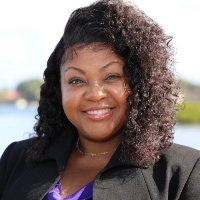
Florida · 9 yrs in practice
Works with Stress, Anxiety / Family / Parenting +12
Works by Client-Centered Therapy / Cognitive Behavioral Therapy (CBT)
Read profile
Florida · 9 yrs in practice
Works with Stress, Anxiety / Addictions / Self esteem +10
Works by Client-Centered Therapy / Cognitive Behavioral Therapy (CBT)
Read profile
Massachusetts · 30 yrs in practice
Works with Addictions / Family / Trauma and abuse +17
Read profile
Washington · 50 yrs in practice
Works with Stress, Anxiety / Trauma and abuse / Intimacy-related issues +16
Works by Attachment-Based Therapy / Client-Centered Therapy
Read profile
Florida · 25 yrs in practice
Works with Stress, Anxiety / Addictions / Trauma and abuse +15
Works by Client-Centered Therapy / Cognitive Behavioral Therapy (CBT)
Read profile
Florida · 30 yrs in practice
Works with Stress, Anxiety / Family / Trauma and abuse +15
Works by Client-Centered Therapy / Cognitive Behavioral Therapy (CBT)
Read profile
Iowa · 9 yrs in practice
Works with Stress, Anxiety / Trauma and abuse / Grief +13
Works by Acceptance and Commitment Therapy (ACT) / Client-Centered Therapy
Read profile
Florida · 25 yrs in practice
Works with Stress, Anxiety / Relationship / Family +14
Read profile
Washington · 22 yrs in practice
Works with Stress, Anxiety / Relationship / Family +12
Works by Attachment-Based Therapy / Client-Centered Therapy
Read profile
Florida · 8 yrs in practice
Works with Stress, Anxiety / Addictions / Trauma and abuse +15
Works by Attachment-Based Therapy / Client-Centered Therapy
Read profile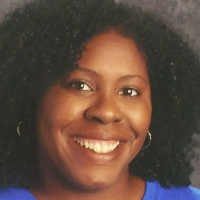
Florida · 8 yrs in practice
Works with Stress, Anxiety / Family / Parenting +2
Works by Client-Centered Therapy / Cognitive Behavioral Therapy (CBT)
Read profile
New York · 38 yrs in practice
Works with Stress, Anxiety / Addictions / Relationship +16
Works by Acceptance and Commitment Therapy (ACT) / Attachment-Based Therapy
Read profile
Florida · 14 yrs in practice
Works with Stress, Anxiety / Relationship / Trauma and abuse +11
Works by Acceptance and Commitment Therapy (ACT) / Client-Centered Therapy
Read profile
Florida · 23 yrs in practice
Works with Stress, Anxiety / Self esteem / Career +12
Works by Client-Centered Therapy / Cognitive Behavioral Therapy (CBT)
Read profile
Indiana · 11 yrs in practice
Works with Stress, Anxiety / Trauma and abuse / Grief +9
Works by Attachment-Based Therapy / Client-Centered Therapy
Read profile
Florida · 12 yrs in practice
Works with Stress, Anxiety / Addictions / Family +16
Works by Client-Centered Therapy / Cognitive Behavioral Therapy (CBT)
Read profile
Florida · 32 yrs in practice
Works with Stress, Anxiety / Trauma and abuse / Parenting +17
Works by Acceptance and Commitment Therapy (ACT) / Attachment-Based Therapy
Read profile
New Mexico · 10 yrs in practice
Works with Stress, Anxiety / Relationship / Grief +7
Works by Client-Centered Therapy / Cognitive Behavioral Therapy (CBT)
Read profile
Hawaii · 20 yrs in practice
Works with Stress, Anxiety / Relationship / Trauma and abuse +13
Works by Cognitive Behavioral Therapy (CBT) / Dialectical Behavior Therapy (DBT)
Read profile
Florida · 38 yrs in practice
Works with Relationship / Trauma and abuse / Intimacy-related issues +8
Works by Client-Centered Therapy / Cognitive Behavioral Therapy (CBT)
Read profile
Florida · 6 yrs in practice
Works with Stress, Anxiety / Relationship / Self esteem +12
Read profile
Florida · 11 yrs in practice
Works with Addictions / LGBT / Trauma and abuse +13
Works by Client-Centered Therapy / Cognitive Behavioral Therapy (CBT)
Read profile
Florida · 27 yrs in practice
Works with Addictions / Relationship / Trauma and abuse +17
Works by Client-Centered Therapy / Cognitive Behavioral Therapy (CBT)
Read profile
Rhode Island · 30 yrs in practice
Works with Stress, Anxiety / LGBT / Relationship +3
Read profile
Massachusetts · 15 yrs in practice
Works with Stress, Anxiety / Trauma and abuse / Depression +5
Read profile
Rhode Island · 5 yrs in practice
Works with Stress, Anxiety / Relationship / Career +14
Works by Acceptance and Commitment Therapy (ACT) / Client-Centered Therapy
Read profile
Florida · 13 yrs in practice
Works with Stress, Anxiety / Relationship / Trauma and abuse +2
Works by Acceptance and Commitment Therapy (ACT) / Cognitive Behavioral Therapy (CBT)
Read profile
Florida · 6 yrs in practice
Works with Stress, Anxiety / Trauma and abuse / Grief +13
Works by Attachment-Based Therapy / Client-Centered Therapy
Read profile
New York · 10 yrs in practice · 2 languages
Works with Stress, Anxiety / Relationship / Trauma and abuse +17
Works by Client-Centered Therapy / Cognitive Behavioral Therapy (CBT)
Read profile
Indiana · 15 yrs in practice
Works with Stress, Anxiety / Anger / Self esteem +9
Works by Acceptance and Commitment Therapy (ACT) / Attachment-Based Therapy
Read profile
Washington · 27 yrs in practice
Works with LGBT / Trauma and abuse / Self esteem +17
Works by Client-Centered Therapy / Emotionally-Focused Therapy (EFT)
Read profile
Florida · 15 yrs in practice
Works with Trauma and abuse / Grief / Anger +2
Read profile
Florida · 14 yrs in practice · 2 languages
Works with Stress, Anxiety / Family / Grief +16
Works by Client-Centered Therapy / Cognitive Behavioral Therapy (CBT)
Read profile
Washington · 14 yrs in practice · 2 languages
Works with Stress, Anxiety / Trauma and abuse / Self esteem +2
Works by Client-Centered Therapy / Cognitive Behavioral Therapy (CBT)
Read profile
Florida · 10 yrs in practice
Works with Stress, Anxiety / Relationship / Parenting +2
Works by Acceptance and Commitment Therapy (ACT) / Attachment-Based Therapy
Read profile
Florida · 25 yrs in practice
Works with Stress, Anxiety / Addictions / Self esteem +4
Works by Client-Centered Therapy / Cognitive Behavioral Therapy (CBT)
Read profile
New York · 25 yrs in practice
Works with Stress, Anxiety / Relationship / Trauma and abuse +16
Works by Attachment-Based Therapy / Client-Centered Therapy
Read profile
Florida · 15 yrs in practice · 2 languages
Works with Stress, Anxiety / Relationship / Family +2
Read profile
Florida · 30 yrs in practice
Works with Stress, Anxiety / Addictions / LGBT +2
Read profile
Florida · 4 yrs in practice
Works with Stress, Anxiety / Trauma and abuse / Anger +2
Works by Client-Centered Therapy / Cognitive Behavioral Therapy (CBT)
Read profile
Florida · 15 yrs in practice
Works with Trauma and abuse / Grief / Self esteem +2
Works by Cognitive Behavioral Therapy (CBT) / Motivational Interviewing
Read profileAdoption describes a legal and relational process that creates family connections across different biological, cultural, and social histories. For many people adoption becomes a life-defining experience that touches identity, attachment, belonging, and practical aspects of parenting and legal status. You may have questions about origins, feel a sense of loss for what was unavoidably left behind, or experience relief mixed with guilt after reunification. Adoptive parents often navigate their own hopes, fears, and questions about how to support a child whose early life may include separation, foster care, or institutional care. Birth parents can carry complex emotions tied to grief, love, decision-making, and ongoing contact or noncontact arrangements. Each story is unique, and the emotional consequences unfold across stages of life - from infancy through adulthood.
The emotional impact of adoption can be immediate, such as the intense feelings around placement, or it can be delayed, emerging later when adoptees begin to ask questions about identity or when a family faces stressors like adolescence or transracial dynamics. You might notice attachment challenges, difficulties with trust, or a search for biological roots that feels urgent. Cultural, racial, and intersectional factors often amplify these experiences, particularly in transracial or international adoptions where language, heritage, and community belonging enter the picture. Understanding adoption as a continuing relational and identity process, rather than a single event, can help you frame what support might look like.
You may consider seeking therapy when questions about adoption begin to affect daily functioning, relationships, or your sense of self. For adoptees this can look like persistent questions about origins that create anxiety, difficulty forming or maintaining close attachments, or recurring feelings of abandonment that interfere with friendships and romantic relationships. Younger children might show changes in behavior, sleep disruptions, or difficulties with regulation that are linked to early separation or loss. Parents and caregivers often look for help when they feel unsure how to respond to a child's attachment needs, when disciplinary approaches seem ineffective, or when cultural parenting pressures and identity issues feel overwhelming.
Birth family members sometimes experience unresolved grief, intrusive thoughts about the child, or confusion about boundaries after adoption and reunification. You might also seek therapy when there are conflicts within the family about openness, contact, or records access, or when historical trauma and intergenerational loss create tension. Therapy can be helpful before, during, and after adoption-related transitions - for example, preparing a family for placement, supporting reunification conversations, or working through identity questions in adulthood. If you notice emotional patterns that repeat across different relationships, or if adoption topics evoke strong physical reactions or avoidance, these are signals that targeted support could help you navigate the complexity more effectively.
When you begin adoption-focused therapy, the initial sessions typically involve building rapport and mapping the adoption story in a way that feels manageable. A therapist will likely invite you to describe what adoption means in your life, including factual details, emotional reactions, and questions you want to explore. You can expect a collaborative process where you outline priorities - whether that means exploring identity, improving attachment, processing loss and grief, addressing behavior or regulation in a child, or navigating interactions with birth or adoptive family members. Sessions may move at a pace that honors timing and readiness; revisiting difficult material often happens gradually as trust develops.
Therapy may involve individual sessions for adoptees or birth parents, sessions for adoptive parents to develop strategies and reflect on dynamics, and family sessions to address relational patterns. For children, therapists often integrate developmentally appropriate methods such as play, storytelling, and expressive approaches to help nonverbal experiences emerge. Adolescents and adults may use talk-based work to explore identity, search questions, and mourning. Practical elements such as court or school communications, transition planning, and referrals for records or search resources can also be part of the process. Throughout, you should expect attention to cultural and contextual factors - including race, religion, immigration history, and community ties - that shape adoption experiences.
There is no single method that fits every adoption story. Therapists draw on a range of approaches to address attachment, trauma, identity, and parenting. You may encounter therapists who describe attachment-informed care that focuses on safety, attunement, and patterns of relating. Some providers emphasize trauma-informed methods to help regulate the nervous system and process difficult memories. If you see mention of specific modalities, note that phrases such as "therapists who list EMDR among their approaches" or "therapists who list play therapy among their approaches" indicate preference, not certification. When reading profiles, look for therapists who explain how they adapt approaches to developmental level and cultural background.
Narrative and life-story work is often used with adoptees to organize memories and create an integrated sense of self. Cognitive-behavioral strategies may be used to manage anxiety, depressive symptoms, or unhelpful thought patterns about belonging. Family and parent coaching approaches focus on communication patterns, boundary setting, and strategies to support attachment and regulation in children. For younger children, expressive therapies and play-based interventions give nonverbal experience a voice. In transracial adoption contexts, culturally responsive approaches emphasize racial socialization, identity development, and community connection. When you review therapist profiles, consider how the approaches described would fit the age, history, and cultural context of the person seeking help.
Online therapy can be a practical option for adoption-related work, especially when you need access to therapists with specific experience or language skills that are not available locally. Remote sessions typically take place by video or phone and offer flexibility in scheduling and the ability to include family members who are geographically distant. For many people, online work is effective for talk-based exploration, parent coaching, and structured skill-building. For children's work, some clinicians integrate digital storybooks, drawing, and guided activities that translate to a virtual setting. When considering online care, think about how you will create a comfortable environment for sessions, where interruptions are minimized and a consistent space supports therapeutic focus.
Selecting a therapist is a personal decision. Start by clarifying what you hope to address - identity questions, attachment, trauma processing, parenting support, or search and reunification planning. Use the directory to compare focus areas, approaches, languages, and stated experience with adoption issues. Look for profiles that explicitly mention working with adoptees, adoptive parents, and birth families, and pay attention to therapists who describe how they approach cultural, racial, and intergenerational factors. If you care about specific modalities, search for therapists who list those approaches among their tools, while remembering that listing an approach is different from formal certification.
Consider practical details such as session length, fee structure, sliding scale options, and whether the clinician offers family or child-centered methods. If cultural match matters to you, prioritize therapists who list relevant languages or community experience. You may also want to find someone who is willing to coordinate with other professionals - pediatricians, schools, or adoption agencies - when appropriate. Before committing to ongoing work, it is reasonable to ask a prospective therapist about their experience with adoption narratives, how they handle searches or reunification conversations, and how they involve caregivers in treatment. Trust your sense of rapport - feeling heard and respected in initial conversations is an important sign that you can establish a therapeutic relationship that supports the unique complexities of adoption.
Adoption touches deep questions about belonging, identity, and family bonds. Whether you are exploring questions about origins, seeking strategies to support a child, or processing grief related to placement, targeted therapy can offer a space to make sense of those experiences and build practical tools for daily life. Use this directory to review therapist profiles, compare stated approaches and focus areas, and find a professional whose background and communication style align with your needs.
Arizona
7 therapists
California
11 therapists
Connecticut
8 therapists
Florida
1340 therapists
Georgia
11 therapists
Hawaii
38 therapists
Illinois
16 therapists
Indiana
143 therapists
Iowa
57 therapists
Louisiana
6 therapists
Maryland
6 therapists
Massachusetts
133 therapists
Minnesota
6 therapists
Missouri
12 therapists
Nebraska
14 therapists
Nevada
5 therapists
New Hampshire
7 therapists
New Jersey
17 therapists
New York
517 therapists
North Carolina
11 therapists
Ohio
13 therapists
Oregon
9 therapists
Pennsylvania
14 therapists
Rhode Island
21 therapists
South Carolina
10 therapists
Texas
27 therapists
Utah
12 therapists
Virginia
10 therapists
Washington
204 therapists
Wisconsin
6 therapists