
Dr. Daniella Jackson, LMHC
Florida · 20 yrs in practice · 2 languages
Works with Stress, Anxiety / Addictions / Relationship +17
Works by Acceptance and Commitment Therapy (ACT) / Attachment-Based Therapy
Read profileTherapist listings come from BetterHelp. We will earn a commission if you sign up through a link on this page, at no extra cost to you, and it does not change the order of the listings.
On this page you will find clinicians who list foster care among their specialties and who work with children, teens, young adults, and foster families. Use the listings below to review focus areas, approaches, credentials, languages, and experience.
Browse profiles to learn more about each clinician and how they describe the ways they support people affected by foster care.
Florida · 20 yrs in practice · 2 languages
Works with Stress, Anxiety / Addictions / Relationship +17
Works by Acceptance and Commitment Therapy (ACT) / Attachment-Based Therapy
Read profile
New York · 11 yrs in practice
Works with Stress, Anxiety / Grief / Self esteem +9
Works by Acceptance and Commitment Therapy (ACT) / Attachment-Based Therapy
Read profile
Indiana · 8 yrs in practice
Works with Stress, Anxiety / Addictions / Family +16
Works by Acceptance and Commitment Therapy (ACT) / Attachment-Based Therapy
Read profile
Florida · 20 yrs in practice
Works with Addictions / Relationship / Trauma and abuse +15
Works by Acceptance and Commitment Therapy (ACT) / Attachment-Based Therapy
Read profile
Florida · 16 yrs in practice
Works with Stress, Anxiety / Trauma and abuse / Self esteem +7
Works by Attachment-Based Therapy / Client-Centered Therapy
Read profile
Florida · 13 yrs in practice
Works with Stress, Anxiety / Self esteem / Depression +8
Works by Acceptance and Commitment Therapy (ACT) / Client-Centered Therapy
Read profile
Indiana · 11 yrs in practice
Works with Stress, Anxiety / Addictions / Trauma and abuse +15
Works by Client-Centered Therapy / Cognitive Behavioral Therapy (CBT)
Read profile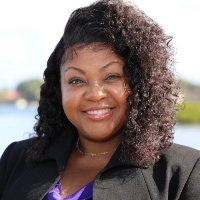
Florida · 9 yrs in practice
Works with Stress, Anxiety / Family / Parenting +12
Works by Client-Centered Therapy / Cognitive Behavioral Therapy (CBT)
Read profile
Florida · 9 yrs in practice
Works with Stress, Anxiety / Addictions / Self esteem +10
Works by Client-Centered Therapy / Cognitive Behavioral Therapy (CBT)
Read profile
Massachusetts · 30 yrs in practice
Works with Addictions / Family / Trauma and abuse +17
Read profile
Washington · 50 yrs in practice
Works with Stress, Anxiety / Trauma and abuse / Intimacy-related issues +16
Works by Attachment-Based Therapy / Client-Centered Therapy
Read profile
Florida · 25 yrs in practice
Works with Stress, Anxiety / Addictions / Trauma and abuse +15
Works by Client-Centered Therapy / Cognitive Behavioral Therapy (CBT)
Read profile
Florida · 30 yrs in practice
Works with Stress, Anxiety / Family / Trauma and abuse +15
Works by Client-Centered Therapy / Cognitive Behavioral Therapy (CBT)
Read profile
Iowa · 9 yrs in practice
Works with Stress, Anxiety / Trauma and abuse / Grief +13
Works by Acceptance and Commitment Therapy (ACT) / Client-Centered Therapy
Read profile
Florida · 25 yrs in practice
Works with Stress, Anxiety / Relationship / Family +14
Read profile
Washington · 22 yrs in practice
Works with Stress, Anxiety / Relationship / Family +12
Works by Attachment-Based Therapy / Client-Centered Therapy
Read profile
Florida · 8 yrs in practice
Works with Stress, Anxiety / Addictions / Trauma and abuse +15
Works by Attachment-Based Therapy / Client-Centered Therapy
Read profile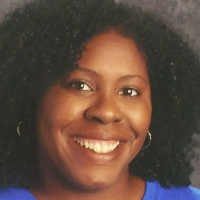
Florida · 8 yrs in practice
Works with Stress, Anxiety / Family / Parenting +2
Works by Client-Centered Therapy / Cognitive Behavioral Therapy (CBT)
Read profile
New York · 38 yrs in practice
Works with Stress, Anxiety / Addictions / Relationship +16
Works by Acceptance and Commitment Therapy (ACT) / Attachment-Based Therapy
Read profile
Florida · 14 yrs in practice
Works with Stress, Anxiety / Relationship / Trauma and abuse +11
Works by Acceptance and Commitment Therapy (ACT) / Client-Centered Therapy
Read profile
Florida · 23 yrs in practice
Works with Stress, Anxiety / Self esteem / Career +12
Works by Client-Centered Therapy / Cognitive Behavioral Therapy (CBT)
Read profile
Indiana · 11 yrs in practice
Works with Stress, Anxiety / Trauma and abuse / Grief +9
Works by Attachment-Based Therapy / Client-Centered Therapy
Read profile
Florida · 12 yrs in practice
Works with Stress, Anxiety / Addictions / Family +16
Works by Client-Centered Therapy / Cognitive Behavioral Therapy (CBT)
Read profile
Florida · 32 yrs in practice
Works with Stress, Anxiety / Trauma and abuse / Parenting +17
Works by Acceptance and Commitment Therapy (ACT) / Attachment-Based Therapy
Read profile
New Mexico · 10 yrs in practice
Works with Stress, Anxiety / Relationship / Grief +7
Works by Client-Centered Therapy / Cognitive Behavioral Therapy (CBT)
Read profile
Hawaii · 20 yrs in practice
Works with Stress, Anxiety / Relationship / Trauma and abuse +13
Works by Cognitive Behavioral Therapy (CBT) / Dialectical Behavior Therapy (DBT)
Read profile
Florida · 38 yrs in practice
Works with Relationship / Trauma and abuse / Intimacy-related issues +8
Works by Client-Centered Therapy / Cognitive Behavioral Therapy (CBT)
Read profile
Florida · 6 yrs in practice
Works with Stress, Anxiety / Relationship / Self esteem +12
Read profile
Florida · 11 yrs in practice
Works with Addictions / LGBT / Trauma and abuse +13
Works by Client-Centered Therapy / Cognitive Behavioral Therapy (CBT)
Read profile
Florida · 27 yrs in practice
Works with Addictions / Relationship / Trauma and abuse +17
Works by Client-Centered Therapy / Cognitive Behavioral Therapy (CBT)
Read profile
Rhode Island · 30 yrs in practice
Works with Stress, Anxiety / LGBT / Relationship +3
Read profile
Massachusetts · 15 yrs in practice
Works with Stress, Anxiety / Trauma and abuse / Depression +5
Read profile
Rhode Island · 5 yrs in practice
Works with Stress, Anxiety / Relationship / Career +14
Works by Acceptance and Commitment Therapy (ACT) / Client-Centered Therapy
Read profile
Florida · 13 yrs in practice
Works with Stress, Anxiety / Relationship / Trauma and abuse +2
Works by Acceptance and Commitment Therapy (ACT) / Cognitive Behavioral Therapy (CBT)
Read profile
Florida · 6 yrs in practice
Works with Stress, Anxiety / Trauma and abuse / Grief +13
Works by Attachment-Based Therapy / Client-Centered Therapy
Read profile
New York · 10 yrs in practice · 2 languages
Works with Stress, Anxiety / Relationship / Trauma and abuse +17
Works by Client-Centered Therapy / Cognitive Behavioral Therapy (CBT)
Read profile
Indiana · 15 yrs in practice
Works with Stress, Anxiety / Anger / Self esteem +9
Works by Acceptance and Commitment Therapy (ACT) / Attachment-Based Therapy
Read profile
Washington · 27 yrs in practice
Works with LGBT / Trauma and abuse / Self esteem +17
Works by Client-Centered Therapy / Emotionally-Focused Therapy (EFT)
Read profile
Florida · 15 yrs in practice
Works with Trauma and abuse / Grief / Anger +2
Read profile
Florida · 14 yrs in practice · 2 languages
Works with Stress, Anxiety / Family / Grief +16
Works by Client-Centered Therapy / Cognitive Behavioral Therapy (CBT)
Read profile
Washington · 14 yrs in practice · 2 languages
Works with Stress, Anxiety / Trauma and abuse / Self esteem +2
Works by Client-Centered Therapy / Cognitive Behavioral Therapy (CBT)
Read profile
Florida · 10 yrs in practice
Works with Stress, Anxiety / Relationship / Parenting +2
Works by Acceptance and Commitment Therapy (ACT) / Attachment-Based Therapy
Read profile
Florida · 25 yrs in practice
Works with Stress, Anxiety / Addictions / Self esteem +4
Works by Client-Centered Therapy / Cognitive Behavioral Therapy (CBT)
Read profile
New York · 25 yrs in practice
Works with Stress, Anxiety / Relationship / Trauma and abuse +16
Works by Attachment-Based Therapy / Client-Centered Therapy
Read profile
Florida · 15 yrs in practice · 2 languages
Works with Stress, Anxiety / Relationship / Family +2
Read profile
Florida · 30 yrs in practice
Works with Stress, Anxiety / Addictions / LGBT +2
Read profile
Florida · 4 yrs in practice
Works with Stress, Anxiety / Trauma and abuse / Anger +2
Works by Client-Centered Therapy / Cognitive Behavioral Therapy (CBT)
Read profile
Florida · 15 yrs in practice
Works with Trauma and abuse / Grief / Self esteem +2
Works by Cognitive Behavioral Therapy (CBT) / Motivational Interviewing
Read profileFoster care is a system in which children and young people who cannot safely remain with their birth families are placed with caregivers, relatives, or group settings while child welfare systems work toward a longer term plan. You may come to therapy because of placement changes, reunification efforts, adoption planning, or ongoing transitions between caregivers. Those experiences often influence daily life in ways that go beyond a single event. You might notice changes in trust, attachment, identity, school performance, or behavior, and these reactions are a common response to disruption and loss.
Children and teens in foster care face unique stressors, including separation from familiar people and routines, repeated assessments by social systems, and the experience of living in environments that may feel unpredictable. Caregivers and foster parents also face challenges - navigating caregiving responsibilities while coordinating with caseworkers, schools, and health systems can create stress and uncertainty. Young adults who have aged out of care can carry the effects of those early systems into independence, including practical hurdles and emotional echoes of earlier instability. Therapy that focuses on foster care recognizes this broader context and aims to help you build coping skills, process loss, and find ways to strengthen relationships with caregivers and other supports.
You might consider therapy if you notice changes that affect daily functioning or relationships. For children, signs can include new or worsening sleep problems, changes in appetite, regression in developmental skills, increased aggression or withdrawal, or difficulty forming attachments to caregivers. Teens may show mood swings, risky behavior, academic decline, or a sense of detachment from peers and adults. Caregivers often seek support when they feel overwhelmed, uncertain about managing challenging behaviors, or need help navigating interactions with child welfare systems and schools.
Sometimes the indicators are less dramatic but still important - persistent feelings of anxiety, recurring nightmares, difficulty trusting adults, or trouble with identity and belonging all suggest benefit from therapeutic attention. Therapy can provide a place to explore emotions related to loss and change, practice emotion regulation and communication skills, and plan practical steps for school, legal, or placement-related concerns. If you are unsure whether therapy is appropriate, an initial consultation can help clarify goals and what support might look like.
When you begin working with a clinician who focuses on foster care, the first sessions typically involve gathering background information and setting goals. Your therapist will likely ask about placement history, family relationships, school experiences, and current stressors. For children, clinicians often spend part of the assessment building rapport through play or age-appropriate activities; for teens and adults, conversation and structured assessments may be used to understand patterns and priorities. You can expect the clinician to listen to your story and to collaborate with you on what to address first, whether that is managing behavior, processing grief, improving attachment, or preparing for transitions.
Sessions usually include a mix of talking, skills-building, and activities tailored to developmental needs. Caregivers may be asked to participate in separate sessions or to join parts of child-focused sessions so everyone can learn strategies to support the child. Some families choose to involve caseworkers, school staff, or other professionals when appropriate and when all parties agree. Therapists often track progress over time and adjust the plan based on what is helping. Typical session length ranges from 45 to 60 minutes, with frequency determined by clinical needs and practical considerations.
You should expect therapy to address not only the child but also the caregiving environment and relevant systems. Because foster care involves multiple adults and institutions, effective work often blends individual and family-focused interventions. A clinician may focus on communication strategies between caregivers and children, coaching foster parents in behavioral techniques, or helping youth communicate needs during visits or reunification planning. Good therapeutic work recognizes the web of relationships and aims to strengthen supports both inside and outside the home.
Therapists use a range of approaches when working with people affected by foster care. You will find clinicians who list trauma-focused cognitive behavioral therapy among their approaches, clinicians who list attachment-based therapy, and clinicians who list family therapy as part of their offering. Some clinicians list play therapy for younger children to help them express feelings through developmentally appropriate methods. Others list approaches that address traumatic stress symptoms or help regulate emotions after disruptions in caregiving.
When clinicians describe their methods you may also see references to approaches that focus on parenting support and caregiver coaching. These descriptions often indicate an emphasis on building predictable routines, consistent responses to behavior, and strategies for managing challenging moments. You may encounter clinicians who list expressive or narrative methods to help older youth make sense of their experiences and integrate them into their identity. Remember that a clinician listing a method signals that they use that approach with clients, and it is reasonable to ask how that approach would be applied to your specific situation during an initial conversation.
Online therapy can make it easier for you to access clinicians who list foster care among their specialties, especially if local resources are limited or if you need sessions that fit around school, work, or visitation schedules. Online sessions typically occur through video visits, phone calls, or a combination of formats, and they can include individual work with a child, coaching for caregivers, or joint family meetings. You should plan for sessions by choosing a quiet, comfortable environment where you can speak openly, and by checking any technology requirements the clinician outlines.
Before starting online sessions, you may want to ask how the clinician handles paperwork, how they document goals and progress, and how they coordinate with other people involved in the child's care if you want that to happen. If you are a caregiver working with a clinician, discuss how the clinician prefers to communicate between sessions and what kinds of updates you can expect. Online therapy can also help when travel or transportation are barriers, but it may be less suitable for situations that require immediate in-person intervention. Discuss practical arrangements with a clinician to understand how they would manage emergencies or coordinate with local services if needed.
Choosing a clinician involves looking at match factors that matter for you. Consider the populations the clinician lists - such as children, teens, young adults, or foster families - and the approaches they describe. Language and cultural experience are important; you may feel more comfortable with a clinician who shares or understands your cultural background or who works in your preferred language. Look at professional credentials and licensure to confirm that the clinician is authorized to practice where you live. You can also read how clinicians describe their experience with foster care scenarios to see whether their focus aligns with your priorities.
During an introductory conversation, you might ask about how the clinician has worked with placement transitions, reunification planning, or caregiver coaching. Ask how they involve caregivers and other professionals and what typical short-term and longer-term goals look like for families in similar situations. If you have concerns about information-sharing boundaries or record-keeping, ask how those topics are handled and what protections are in place. Finally, trust your sense of rapport - effective therapy depends on feeling heard and supported, and a good match is one where you feel comfortable discussing sensitive topics and making a plan together.
Finding the right clinician for foster care can take time, but focusing on experience with relevant populations, the approaches used, practical logistics, and cultural fit will help you identify someone who can support your goals. Use the listings on this page to compare clinician profiles and learn more about how different therapists describe their work with children, youth, and families affected by foster care.
Arizona
7 therapists
California
11 therapists
Connecticut
8 therapists
Florida
1340 therapists
Georgia
11 therapists
Hawaii
38 therapists
Illinois
16 therapists
Indiana
143 therapists
Iowa
57 therapists
Louisiana
6 therapists
Maryland
6 therapists
Massachusetts
133 therapists
Minnesota
6 therapists
Missouri
12 therapists
Nebraska
14 therapists
Nevada
5 therapists
New Hampshire
7 therapists
New Jersey
17 therapists
New York
517 therapists
North Carolina
11 therapists
Ohio
13 therapists
Oregon
9 therapists
Pennsylvania
14 therapists
Rhode Island
21 therapists
South Carolina
10 therapists
Texas
27 therapists
Utah
12 therapists
Virginia
10 therapists
Washington
204 therapists
Wisconsin
6 therapists