
Dr. Daniella Jackson, LMHC
Florida · 20 yrs in practice · 2 languages
Works with Stress, Anxiety / Addictions / Relationship +17
Works by Acceptance and Commitment Therapy (ACT) / Attachment-Based Therapy
Read profileTherapist listings come from BetterHelp. We will earn a commission if you sign up through a link on this page, at no extra cost to you, and it does not change the order of the listings.
Motivational Interviewing is a collaborative, person-centered counseling style that helps you explore and strengthen motivation for change. Browse therapists who list Motivational Interviewing among their approaches below to find a counselor whose method aligns with your goals.
Florida · 20 yrs in practice · 2 languages
Works with Stress, Anxiety / Addictions / Relationship +17
Works by Acceptance and Commitment Therapy (ACT) / Attachment-Based Therapy
Read profile
New York · 13 yrs in practice
Works with Relationship / Trauma and abuse / Grief +10
Works by Client-Centered Therapy / Cognitive Behavioral Therapy (CBT)
Read profile
Florida · 21 yrs in practice
Works with Stress, Anxiety / Addictions / LGBT +10
Works by Acceptance and Commitment Therapy (ACT) / Client-Centered Therapy
Read profile
Florida · 23 yrs in practice
Works with Stress, Anxiety / Addictions / Self esteem +11
Works by Client-Centered Therapy / Cognitive Behavioral Therapy (CBT)
Read profile
New York · 5 yrs in practice · 2 languages
Works with Stress, Anxiety / LGBT / Trauma and abuse +13
Works by Acceptance and Commitment Therapy (ACT) / Attachment-Based Therapy
Read profile
Pennsylvania · 12 yrs in practice
Works with Stress, Anxiety / Relationship / Self esteem +12
Works by Client-Centered Therapy / Cognitive Behavioral Therapy (CBT)
Read profile
New York · 11 yrs in practice
Works with Stress, Anxiety / Grief / Self esteem +9
Works by Acceptance and Commitment Therapy (ACT) / Attachment-Based Therapy
Read profile
New York · 9 yrs in practice
Works with Stress, Anxiety / Anger / Self esteem +14
Works by Acceptance and Commitment Therapy (ACT) / Client-Centered Therapy
Read profile
Florida · 26 yrs in practice
Works with Stress, Anxiety / Relationship / Anger +14
Works by Client-Centered Therapy / Cognitive Behavioral Therapy (CBT)
Read profile
Florida · 10 yrs in practice
Works with Relationship / Family / Self esteem +5
Works by Client-Centered Therapy / Cognitive Behavioral Therapy (CBT)
Read profile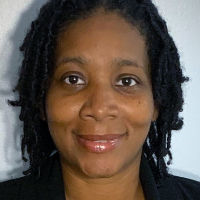
Florida · 13 yrs in practice
Works with Stress, Anxiety / Anger / Depression +14
Works by Cognitive Behavioral Therapy (CBT) / Dialectical Behavior Therapy (DBT)
Read profile
Florida · 15 yrs in practice
Works with Stress, Anxiety / Addictions / Trauma and abuse +15
Works by Acceptance and Commitment Therapy (ACT) / Client-Centered Therapy
Read profile
Pennsylvania · 10 yrs in practice
Works with Stress, Anxiety / Relationship / Grief +9
Works by Cognitive Behavioral Therapy (CBT) / Dialectical Behavior Therapy (DBT)
Read profile
New Jersey · 20 yrs in practice
Works with Stress, Anxiety / Addictions / Parenting +8
Works by Client-Centered Therapy / Cognitive Behavioral Therapy (CBT)
Read profile
Indiana · 8 yrs in practice
Works with Stress, Anxiety / Addictions / Family +16
Works by Acceptance and Commitment Therapy (ACT) / Attachment-Based Therapy
Read profile
Florida · 20 yrs in practice
Works with Addictions / Relationship / Trauma and abuse +15
Works by Acceptance and Commitment Therapy (ACT) / Attachment-Based Therapy
Read profile
Florida · 17 yrs in practice
Works with Stress, Anxiety / Trauma and abuse / Eating +15
Works by Acceptance and Commitment Therapy (ACT) / Client-Centered Therapy
Read profile
Florida · 19 yrs in practice
Works with Stress, Anxiety / Family / Grief +13
Works by Acceptance and Commitment Therapy (ACT) / Client-Centered Therapy
Read profile
Florida · 30 yrs in practice
Works with Addictions / Relationship / Self esteem +4
Works by Cognitive Behavioral Therapy (CBT) / Motivational Interviewing
Read profile
Florida · 20 yrs in practice
Works with Stress, Anxiety / Grief / Self esteem +10
Works by Client-Centered Therapy / Cognitive Behavioral Therapy (CBT)
Read profile
Florida · 21 yrs in practice
Works with Addictions / Relationship / Family +3
Works by Client-Centered Therapy / Cognitive Behavioral Therapy (CBT)
Read profile
New York · 6 yrs in practice
Works with Stress, Anxiety / Parenting / Anger +13
Works by Client-Centered Therapy / Cognitive Behavioral Therapy (CBT)
Read profile
Florida · 24 yrs in practice
Works with Stress, Anxiety / Addictions / Grief +15
Works by Acceptance and Commitment Therapy (ACT) / Client-Centered Therapy
Read profile
Florida · 12 yrs in practice
Works with Stress, Anxiety / Addictions / Parenting +9
Works by Client-Centered Therapy / Cognitive Behavioral Therapy (CBT)
Read profile
Florida · 16 yrs in practice
Works with Stress, Anxiety / Trauma and abuse / Self esteem +7
Works by Attachment-Based Therapy / Client-Centered Therapy
Read profile
Florida · 13 yrs in practice
Works with Stress, Anxiety / Self esteem / Depression +8
Works by Acceptance and Commitment Therapy (ACT) / Client-Centered Therapy
Read profile
New York · 13 yrs in practice
Works with Stress, Anxiety / Self esteem / Depression +9
Works by Client-Centered Therapy / Cognitive Behavioral Therapy (CBT)
Read profile
Florida · 21 yrs in practice
Works with Stress, Anxiety / Relationship / Self esteem +2
Works by Cognitive Behavioral Therapy (CBT) / Motivational Interviewing
Read profile
Florida · 8 yrs in practice · 4 languages
Works with Stress, Anxiety / Relationship / Family +10
Works by Client-Centered Therapy / Cognitive Behavioral Therapy (CBT)
Read profile
Florida · 20 yrs in practice
Works with Stress, Anxiety / Relationship / Grief +2
Works by Acceptance and Commitment Therapy (ACT) / Attachment-Based Therapy
Read profile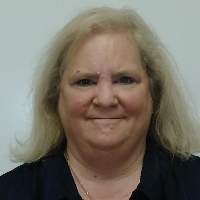
Florida · 17 yrs in practice
Works with Stress, Anxiety / Addictions / LGBT +12
Works by Client-Centered Therapy / Cognitive Behavioral Therapy (CBT)
Read profile
Indiana · 11 yrs in practice
Works with Stress, Anxiety / Addictions / Trauma and abuse +15
Works by Client-Centered Therapy / Cognitive Behavioral Therapy (CBT)
Read profile
Florida · 35 yrs in practice
Works with Stress, Anxiety / Family / Grief +17
Works by Attachment-Based Therapy / Client-Centered Therapy
Read profile
New Jersey · 9 yrs in practice
Works with Stress, Anxiety / Addictions / Self esteem +16
Works by Client-Centered Therapy / Cognitive Behavioral Therapy (CBT)
Read profile
Florida · 9 yrs in practice
Works with Stress, Anxiety / Family / Parenting +12
Works by Client-Centered Therapy / Cognitive Behavioral Therapy (CBT)
Read profile
Florida · 9 yrs in practice
Works with Stress, Anxiety / Addictions / Self esteem +10
Works by Client-Centered Therapy / Cognitive Behavioral Therapy (CBT)
Read profile
New York · 9 yrs in practice
Works with Stress, Anxiety / Relationship / Parenting +2
Works by Acceptance and Commitment Therapy (ACT) / Client-Centered Therapy
Read profile
Florida · 10 yrs in practice
Works with Stress, Anxiety / Addictions / Relationship +8
Works by Client-Centered Therapy / Cognitive Behavioral Therapy (CBT)
Read profile
Florida · 25 yrs in practice
Works with Stress, Anxiety / Addictions / Trauma and abuse +15
Works by Client-Centered Therapy / Cognitive Behavioral Therapy (CBT)
Read profile
Florida · 30 yrs in practice
Works with Stress, Anxiety / Family / Trauma and abuse +15
Works by Client-Centered Therapy / Cognitive Behavioral Therapy (CBT)
Read profile
New York · 7 yrs in practice
Works with Addictions / Relationship / Trauma and abuse +7
Works by Client-Centered Therapy / Cognitive Behavioral Therapy (CBT)
Read profile
Iowa · 9 yrs in practice
Works with Trauma and abuse / Grief / Anger +11
Works by Acceptance and Commitment Therapy (ACT) / Attachment-Based Therapy
Read profile
Iowa · 9 yrs in practice
Works with Stress, Anxiety / Trauma and abuse / Grief +13
Works by Acceptance and Commitment Therapy (ACT) / Client-Centered Therapy
Read profile
New York · 10 yrs in practice · 2 languages
Works with Stress, Anxiety / Family / Self esteem +6
Works by Acceptance and Commitment Therapy (ACT) / Client-Centered Therapy
Read profile
Florida · 11 yrs in practice
Works with Stress, Anxiety / Family / Trauma and abuse +14
Works by Acceptance and Commitment Therapy (ACT) / Client-Centered Therapy
Read profile
Rhode Island · 20 yrs in practice
Works with Stress, Anxiety / Relationship / Family +15
Works by Acceptance and Commitment Therapy (ACT) / Cognitive Behavioral Therapy (CBT)
Read profile
Florida · 8 yrs in practice
Works with Stress, Anxiety / Addictions / Trauma and abuse +15
Works by Attachment-Based Therapy / Client-Centered Therapy
Read profile
Nevada · 20 yrs in practice
Works with Stress, Anxiety / Self esteem / Depression +9
Works by Attachment-Based Therapy / Client-Centered Therapy
Read profileMotivational Interviewing, often called MI, is a conversational approach designed to help you work through ambivalence about change. Rather than directing you to take specific actions, MI focuses on exploring your own reasons for and against change, highlighting personal values and goals. The approach emphasizes empathy, listening, and guiding instead of telling, so you are invited to articulate your motivations in your own words.
MI is built on several guiding ideas that shape how a session unfolds. You can expect a therapist to use reflective listening to demonstrate understanding, ask open questions that invite exploration, and elicit change talk - your own statements about why change matters to you. The approach also avoids direct confrontation and instead uses collaboration to support autonomy. These principles are intended to create an atmosphere where you can weigh options honestly and build momentum toward decisions that feel personally meaningful.
People often turn to Motivational Interviewing when they are considering behavioral change but feel unsure about taking the next step. MI is commonly used with substance use concerns, smoking cessation, dietary and exercise changes, medication adherence, and other health-related behaviors. It is also applied in contexts such as preparing for therapy focused on mood or anxiety, navigating relationship changes, or addressing ambivalence about life transitions. Because MI centers on motivation and readiness, it pairs well with situations where you feel conflicted rather than entirely resistant.
The strength of MI is its adaptability. Rather than offering a single protocol, it provides conversational tools that help you clarify your priorities and move toward action at a pace that fits you. Counselors often combine MI with other therapeutic approaches once motivation has been established, so you may see MI used as a first step followed by skills-building or problem-solving techniques tailored to your needs.
In a session that uses Motivational Interviewing, your counselor typically starts by creating a space where you feel heard and understood. Early dialogue often involves open questions about what brought you to therapy, what matters most to you, and what concerns or hopes you have about change. The counselor listens for change talk - comments that indicate your desire, ability, reasons, or need to change - and reflects those back to you to deepen clarity.
Throughout the session, your experiences and perspectives guide the conversation. The counselor may mirror your language, summarize progress, and ask permission before offering information. Rather than pushing for quick commitments, MI practitioners aim to strengthen your own arguments for change so that any decision to act comes from you. Sessions can vary in length and frequency depending on your priorities and the way MI is being integrated with other strategies.
Motivational Interviewing differs from more directive therapies in its focus on eliciting internal motivation rather than teaching specific techniques from the outset. In therapies that emphasize skills training or behavioral plans, you may spend early sessions learning tools and homework tasks. With MI, the emphasis is first on resolving ambivalence so that when strategies are introduced, you are more likely to engage with them willingly. The result is often a collaborative transition from motivation work to practical skills work tailored to your readiness.
MI is commonly used alongside cognitive, behavioral, or psychodynamic methods because it addresses the motivational side of change. Where other approaches might target thought patterns, emotion regulation, or behavior directly, MI helps you clarify why those changes matter. That complementary role makes MI a versatile addition when you want a counselor who will both support your autonomy and help you move from insight to action.
If you feel torn about making a change, or if previous attempts to change have stalled because of mixed feelings, MI may be a good fit. You do not need to be ready to commit when you begin; the approach is explicitly designed to work with varying levels of readiness. MI can be appropriate whether your focus is on health behaviors, substance use, relationship shifts, or other life adjustments. You might prefer MI if you want a counselor who emphasizes listening, respects your autonomy, and helps you build intrinsic motivation rather than relying on external pressure.
When searching for a counselor who uses Motivational Interviewing, look for profiles that mention MI among their approaches. Pay attention to therapists descriptions of their focus areas, the populations they work with, their years of experience, and any languages they mention. It can be helpful to read how a therapist talks about collaboration and goal-setting, since MI practitioners often emphasize these elements. If you have particular needs - such as working with young adults, addressing medical adherence, or combining motivation work with cognitive techniques - look for therapists who highlight experience in those areas. Comparing an individual’s approaches, focus areas, credentials, languages, and experience will give you a clearer sense of fit without relying on availability data that may change frequently.
Choosing a therapist is a personal decision, and you may find it helpful to contact a few professionals to learn more about how they work. Asking about their typical session structure, how they incorporate motivational conversations, and how they support clients once motivation is established can help you decide whether their style suits you. Above all, seek a counselor with whom you feel heard and understood, because a collaborative relationship is central to making MI effective for your goals.
Arizona
7 therapists
California
11 therapists
Connecticut
8 therapists
Florida
1340 therapists
Georgia
11 therapists
Hawaii
38 therapists
Illinois
16 therapists
Indiana
143 therapists
Iowa
57 therapists
Louisiana
6 therapists
Maryland
6 therapists
Massachusetts
133 therapists
Minnesota
6 therapists
Missouri
12 therapists
Nebraska
14 therapists
Nevada
5 therapists
New Hampshire
7 therapists
New Jersey
17 therapists
New York
517 therapists
North Carolina
11 therapists
Ohio
13 therapists
Oregon
9 therapists
Pennsylvania
14 therapists
Rhode Island
21 therapists
South Carolina
10 therapists
Texas
27 therapists
Utah
12 therapists
Virginia
10 therapists
Washington
204 therapists
Wisconsin
6 therapists