
Gary Grant, LMHC
Washington · 50 yrs in practice
Works with Stress, Anxiety / Trauma and abuse / Intimacy-related issues +16
Works by Attachment-Based Therapy / Client-Centered Therapy
Read profileTherapist listings come from BetterHelp. We will earn a commission if you sign up through a link on this page, at no extra cost to you, and it does not change the order of the listings.
Welcome to our Washington online therapy directory. All therapists listed here are licensed in Washington; explore profiles to compare approaches, specialties, languages, and experience.
Washington · 50 yrs in practice
Works with Stress, Anxiety / Trauma and abuse / Intimacy-related issues +16
Works by Attachment-Based Therapy / Client-Centered Therapy
Read profile
Washington · 22 yrs in practice
Works with Stress, Anxiety / Relationship / Family +12
Works by Attachment-Based Therapy / Client-Centered Therapy
Read profile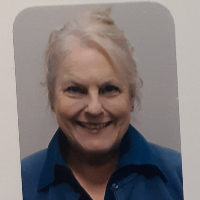
Washington · 27 yrs in practice
Works with Stress, Anxiety / Relationship / Family +8
Works by Client-Centered Therapy / Cognitive Behavioral Therapy (CBT)
Read profile
Washington · 10 yrs in practice
Works with Stress, Anxiety / Trauma and abuse / Self esteem +16
Works by Client-Centered Therapy / Cognitive Behavioral Therapy (CBT)
Read profile
Washington · 14 yrs in practice
Works with Stress, Anxiety / Relationship / Career +5
Works by Client-Centered Therapy / Cognitive Behavioral Therapy (CBT)
Read profile
Washington · 7 yrs in practice
Works with Stress, Anxiety / Trauma and abuse / Eating +2
Works by Acceptance and Commitment Therapy (ACT) / Attachment-Based Therapy
Read profile
Washington · 6 yrs in practice
Works with Stress, Anxiety / Trauma and abuse / Self esteem +2
Read profile
Washington · 17 yrs in practice · 2 languages
Works with Stress, Anxiety / Relationship / Family +2
Works by Client-Centered Therapy / Cognitive Behavioral Therapy (CBT)
Read profile
Washington · 27 yrs in practice
Works with LGBT / Trauma and abuse / Self esteem +17
Works by Client-Centered Therapy / Emotionally-Focused Therapy (EFT)
Read profile
Washington · 14 yrs in practice · 2 languages
Works with Stress, Anxiety / Trauma and abuse / Self esteem +2
Works by Client-Centered Therapy / Cognitive Behavioral Therapy (CBT)
Read profile
Washington · 4 yrs in practice
Works with Stress, Anxiety / Self esteem / Career +2
Works by Acceptance and Commitment Therapy (ACT) / Client-Centered Therapy
Read profile
Washington · 8 yrs in practice
Works with Stress, Anxiety / Relationship / Trauma and abuse +12
Works by Cognitive Behavioral Therapy (CBT) / Eye Movement Desensitization and Reprocessing (EMDR)
Read profile
Washington · 5 yrs in practice
Works with Stress, Anxiety / Relationship / Trauma and abuse +2
Read profile
Washington · 14 yrs in practice
Works with Stress, Anxiety / Trauma and abuse / Bipolar +2
Read profile
Washington · 13 yrs in practice
Works with Stress, Anxiety / Relationship / Family +2
Read profile
Washington · 6 yrs in practice
Works with Stress, Anxiety / Grief / Self esteem +13
Works by Acceptance and Commitment Therapy (ACT) / Client-Centered Therapy
Read profile
Washington · 15 yrs in practice · 2 languages
Works with Stress, Anxiety / Parenting / Self esteem +5
Read profile
Washington · 16 yrs in practice
Works with Stress, Anxiety / Addictions / LGBT +13
Works by Client-Centered Therapy / Mindfulness Therapy
Read profile
Washington · 20 yrs in practice
Works with Stress, Anxiety / Trauma and abuse / Self esteem +11
Read profile
Washington · 19 yrs in practice
Works with Stress, Anxiety / Trauma and abuse / Grief +10
Works by Acceptance and Commitment Therapy (ACT) / Attachment-Based Therapy
Read profile
Washington · 8 yrs in practice
Works with Stress, Anxiety / Relationship / Self esteem +9
Works by Client-Centered Therapy / Cognitive Behavioral Therapy (CBT)
Read profile
Washington · 9 yrs in practice
Works with LGBT / Relationship / Trauma and abuse +9
Works by Acceptance and Commitment Therapy (ACT) / Client-Centered Therapy
Read profile
Washington · 7 yrs in practice
Works with Stress, Anxiety / Trauma and abuse / Self esteem +13
Read profile
Washington · 15 yrs in practice
Works with Stress, Anxiety / Self esteem / Career +13
Works by Client-Centered Therapy / Cognitive Behavioral Therapy (CBT)
Read profile
Washington · 29 yrs in practice
Works with Stress, Anxiety / Grief / Self esteem +6
Works by Acceptance and Commitment Therapy (ACT) / Client-Centered Therapy
Read profile
Washington · 9 yrs in practice
Works with Stress, Anxiety / Relationship / Self esteem +15
Works by Acceptance and Commitment Therapy (ACT) / Client-Centered Therapy
Read profile
Washington · 32 yrs in practice
Works with Stress, Anxiety / Relationship / Trauma and abuse +11
Works by Client-Centered Therapy / Cognitive Behavioral Therapy (CBT)
Read profile
Washington · 12 yrs in practice
Works with Stress, Anxiety / Relationship / Family +16
Works by Client-Centered Therapy / Cognitive Behavioral Therapy (CBT)
Read profile
Washington · 30 yrs in practice
Works with Stress, Anxiety / Relationship / Family +15
Works by Client-Centered Therapy / Cognitive Behavioral Therapy (CBT)
Read profile
Washington · 7 yrs in practice
Works with Stress, Anxiety / Trauma and abuse / Self esteem +8
Works by Cognitive Behavioral Therapy (CBT) / Trauma-Focused Therapy
Read profile
Washington · 23 yrs in practice
Works with Family / Eating / Self esteem +13
Works by Client-Centered Therapy / Cognitive Behavioral Therapy (CBT)
Read profile
Washington · 7 yrs in practice
Works with Stress, Anxiety / Family / Trauma and abuse +8
Works by Client-Centered Therapy / Cognitive Behavioral Therapy (CBT)
Read profile
Washington · 30 yrs in practice
Works with Stress, Anxiety / Self esteem / Career +14
Works by Client-Centered Therapy / Cognitive Behavioral Therapy (CBT)
Read profile
Washington · 6 yrs in practice
Works with Stress, Anxiety / Relationship / Trauma and abuse +16
Read profile
Washington · 18 yrs in practice
Works with Stress, Anxiety / LGBT / Trauma and abuse +16
Works by Acceptance and Commitment Therapy (ACT) / Client-Centered Therapy
Read profile
Washington · 3 yrs in practice
Works with Stress, Anxiety / Relationship / Family +9
Works by Acceptance and Commitment Therapy (ACT) / Cognitive Behavioral Therapy (CBT)
Read profile
Washington · 10 yrs in practice
Works with Stress, Anxiety / LGBT / Trauma and abuse +5
Works by Client-Centered Therapy / Cognitive Behavioral Therapy (CBT)
Read profile
Washington · 12 yrs in practice
Works with Stress, Anxiety / Addictions / LGBT +13
Works by Acceptance and Commitment Therapy (ACT) / Client-Centered Therapy
Read profile
Washington · 20 yrs in practice
Works with Stress, Anxiety / Relationship / Self esteem +2
Read profile
Washington · 8 yrs in practice
Works with Addictions / Trauma and abuse / Grief +11
Works by Acceptance and Commitment Therapy (ACT) / Client-Centered Therapy
Read profile
Washington · 11 yrs in practice
Works with Stress, Anxiety / Relationship / Family +7
Works by Client-Centered Therapy / Cognitive Behavioral Therapy (CBT)
Read profile
Washington · 24 yrs in practice
Works with Stress, Anxiety / Family / Trauma and abuse +12
Works by Cognitive Behavioral Therapy (CBT) / Motivational Interviewing
Read profile
Washington · 15 yrs in practice
Works with Stress, Anxiety / Addictions / Family +11
Works by Cognitive Behavioral Therapy (CBT) / Motivational Interviewing
Read profile
Washington · 10 yrs in practice
Works with Stress, Anxiety / Eating / Self esteem +1
Works by Client-Centered Therapy / Cognitive Behavioral Therapy (CBT)
Read profile
Washington · 9 yrs in practice · 2 languages
Works with Stress, Anxiety / Self esteem / Bipolar +17
Works by Acceptance and Commitment Therapy (ACT) / Attachment-Based Therapy
Read profile
Washington · 29 yrs in practice
Works with Stress, Anxiety / Trauma and abuse / Anger +11
Read profile
Washington · 15 yrs in practice
Works with Stress, Anxiety / LGBT / Self esteem +9
Works by Acceptance and Commitment Therapy (ACT) / Attachment-Based Therapy
Read profile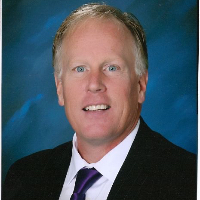
Washington · 27 yrs in practice
Works with Stress, Anxiety / Addictions / Trauma and abuse +11
Works by Acceptance and Commitment Therapy (ACT) / Client-Centered Therapy
Read profileOver the past several years, online therapy has become a common option for people across Washington seeking mental health support. Whether you live in a dense urban area like Seattle or a more rural part of the state, you can find therapists who offer remote sessions through video, phone, or messaging formats. The growth in remote services has broadened choices for scheduling and connecting with clinicians who focus on different issues, use varied therapeutic approaches, and work with specific populations. When you search for an online therapist you will see profile details that describe education, licensure, areas of focus, and the approaches they list on their profiles. These items can help you determine which clinicians might match your needs, while remembering that listing an approach does not alone indicate a particular credential or training pathway.
Online therapy often reduces the time you spend traveling and can make it easier to fit counseling into a busy week. This is useful in Washington, where long commutes or weather conditions can make in-person visits more difficult. Remote sessions may also allow you to connect with a therapist who shares your language, cultural background, or specialized experience even if they are not located in your immediate area. For many people, meeting from home or another comfortable environment helps lower logistical barriers and may make it simpler to maintain consistent care. You should consider practical factors that affect your experience, such as internet reliability, a quiet room for sessions, and the technology the therapist uses. It is reasonable to ask about how your information is protected and how session records are handled—look for clear explanations of privacy and data handling practices so you understand what to expect from remote care.
Therapists who offer online services in Washington work across a wide range of concerns. You might look for support with anxiety, depression, relationship difficulties, stress management, life transitions, grief, parenting challenges, or work-related stress. Many clinicians also describe experience working with trauma-related symptoms, coping after loss, and issues related to identity and cultural adjustment. Some therapists list specific modalities or tools among their approaches, and you should read their profiles to see how they describe working with particular problems. If you have concerns that intersect with medical conditions or substance use, you can seek therapists who note relevant experience and coordinate care with medical providers as needed. While online therapy can be effective for many kinds of emotional and relational concerns, certain situations may call for in-person evaluation or coordination with other services, so discuss your circumstances with any clinician you speak to during an initial conversation.
Verifying a therapist's licensure is an important step when you consider remote care. In Washington, licensure information is maintained by the state agency that oversees health professions, and you can use the state's online license lookup tool to confirm basic details. When you search, look for the clinician's full name or license number, and check that the license type matches the title shown on the profile. Important items to review include the license status, issue and expiration dates, and any public disciplinary history or restrictions. If you prefer, you can contact the licensing agency by phone or email to request verification or clarification. Keep in mind that licensure rules differ by state, so if a therapist is located outside Washington but proposes to work with you remotely, verify that they hold authorization to practice in Washington or that their practice complies with state rules governing telepractice. Asking a therapist directly about the state where their license is held and how they manage interstate practice is a reasonable part of your inquiry.
Beginning online therapy usually starts with a search and an initial outreach. Browse profiles to find clinicians who describe working with the issues you want to address and who list approaches that resonate with you. Read about their education, the populations they mention, and any languages they offer. When you reach out, prepare a few questions about how they typically structure sessions, how they handle cancellations, and what you might expect in the first few meetings. You should also ask about their policies for record keeping and how they handle emergencies or situations that require in-person care. An initial conversation is a chance to sense whether communication feels respectful and clear, and whether their style aligns with what you find helpful. Remember that a therapist describing a technique on their profile is not, by itself, a guarantee of specialized certification, so feel free to ask about their experience working with your particular concern.
Start by narrowing your search based on the issues you want to work on, the approaches you prefer, and any practical needs such as language or session timing. Once you identify a few profiles that fit your criteria, reach out to request a brief introductory call or message. During this initial contact you can confirm licensure details, ask about the therapist's approach to treatment, and learn how they manage technology and session logistics. If the therapist has materials or a website, review those resources to get a sense of how they work. After that conversation you will be positioned to decide whether to arrange a first session and plan next steps.
Choosing a therapist is a personal process. Look for someone whose description and approach feel aligned with your priorities and who communicates in a way that puts you at ease. Consider practical details such as languages offered and whether the therapist notes experience with cultural or identity factors that matter to you. Think about how you prefer to work - some people want a therapist who is directive and skill-oriented, while others seek a more exploratory or relational approach. If a profile lists specialized approaches, you can ask the therapist how they integrate those techniques into their work. Pay attention to how clearly a clinician answers your questions about session structure, fees, and administrative practices; transparent communication early on can be a helpful indicator of how they will partner with you in therapy.
Successful online therapy often depends on small practical choices. Choose a personal room or another quiet setting where you can speak without interruption and where you feel comfortable. Test your internet connection and the device you plan to use so that video and audio work reliably. If you have concerns about technology or accessibility, ask the therapist what alternatives exist for sessions, such as phone or messaging, and how they accommodate different needs. Be clear about payment methods, cancellation policies, and how session notes are stored. If you are working with a clinician who lists work with specific populations or conditions, ask about how they measure progress and what kinds of goals they typically set with clients. If at any time you have questions about how therapy is proceeding, bring them up - open communication can help you and your therapist adjust the work to suit your priorities.
Once you identify a few therapists whose profiles and responses feel like a fit, you can request an initial session to get a firsthand sense of the working relationship. Use that first meeting to describe what brought you to therapy, what you hope to achieve, and the practical concerns that matter to you. A thoughtful therapist will discuss how they typically structure sessions and what kinds of tasks or reflections they might suggest between meetings. If something about the approach does not feel right, it is okay to discuss that and explore alternatives. The process of finding a good match can take time, but being informed about licensure, approaches, and practical logistics will help you make choices that align with your needs. If you have questions about state licensure or how remote practice is regulated, the state licensing agency can offer authoritative guidance. Taking these steps can help you begin remote therapy in Washington with clarity and confidence.
Addictions
1325 therapists
ADHD
1073 therapists
Anger
1494 therapists
Bipolar
1057 therapists
Chronic Illness
460 therapists
Chronic Pain
460 therapists
Compulsion
603 therapists
Control Issues
1046 therapists
Depression
2335 therapists
Disaster Relief Therapy
523 therapists
Dissociation
316 therapists
Domestic Violence
660 therapists
Eating Disorders
476 therapists
Gambling
400 therapists
Grief
1606 therapists
Guilt and Shame
1599 therapists
Impulsivity
967 therapists
Intimacy Issues
1033 therapists
Isolation / Loneliness
1531 therapists
Midlife Crisis
846 therapists
Mood Disorders
1306 therapists
Obsession
603 therapists
OCD
603 therapists
Panic Disorder and Panic Attacks
1117 therapists
Phobias
449 therapists
Post-Traumatic Stress
1412 therapists
Postpartum Depression
531 therapists
Seasonal Affective Disorder (SAD)
693 therapists
Self Esteem
2265 therapists
Self-Harm
595 therapists
Sexual Trauma
601 therapists
Sleeping Disorders
523 therapists
Social Anxiety and Phobia
1474 therapists
Stress & Anxiety
2584 therapists
Trauma and Abuse
1921 therapists
Abandonment
987 therapists
Adoption
426 therapists
Aging and Geriatric Issues
547 therapists
Attachment Issues
1053 therapists
Blended Family Issues
717 therapists
Body Image
787 therapists
Career
1242 therapists
Caregiver Issues and Stress
991 therapists
Codependency
982 therapists
Commitment Issues
694 therapists
Communication Problems
1884 therapists
Compassion Fatigue
1015 therapists
Coping with Life Changes
2037 therapists
Divorce
1118 therapists
Family
1629 therapists
Family of Origin Issues
740 therapists
Fatherhood Issues
396 therapists
Fertility Issues
224 therapists
First Responder Issues
467 therapists
Forgiveness
1473 therapists
Foster Care
426 therapists
Hospice and End-of-Life Counseling
348 therapists
Infidelity
676 therapists
Jealousy
631 therapists
Life Purpose
1692 therapists
Money and Financial Issues
552 therapists
Parenting
1344 therapists
Pregnancy
418 therapists
Relationship
2005 therapists
Self-Love
1718 therapists
Separation
1118 therapists
Sexuality
578 therapists
Workplace Issues
1096 therapists